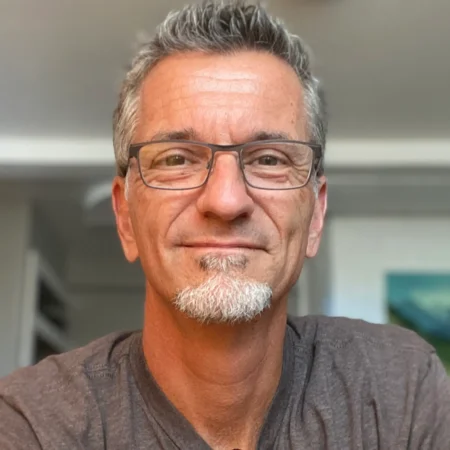
Healing Trauma Without Trying Harder with Aundi Kolber
What if healing doesn’t require you to try harder, but to feel safe enough to try softer?
Episode Summary
Licensed professional counselor, trauma therapist, and bestselling author Aundi Kolber joins Willow for an honest conversation about trauma, faith, emotional health, and what it actually looks like to heal. Drawing from both her professional expertise and her own experience with childhood trauma, Aundi explains how survival strategies like white-knuckling, over-functioning, and reading the room can protect us when we’re young but eventually keep us disconnected from ourselves. Together, Willow and Aundi explore why trauma lives in the body, the importance of safe relationships and therapy, setting down old family roles, and the myths that tell us we should be able to heal by simply trying or praying harder. Aundi offers a beautiful picture of Jesus as Emmanuel—God with us—who doesn’t ask us to get over our pain before coming to Him, but meets us right in the middle of it.
Meet Aundi Kolber – MA, LPC
Aundi is a licensed professional counselor, trauma therapist, author, and speaker known for her work at the intersection of faith, emotional health, and nervous system healing. She is the author of Try Softer and Strong Like Water and specializes in helping people understand how trauma impacts both the mind and body.
Aundi’s work is deeply personal. Having experienced significant childhood trauma herself, she knows what it’s like to appear capable and successful on the outside while internally living in survival mode. Her own healing journey helped shape her passion for helping others move beyond simply knowing truth intellectually toward actually experiencing healing in their bodies, relationships, and connection with God.
Key Takeaways
- When the coping mechanisms that once protected you stop serving you: Honor why they were there. Aundi explains that strategies like white-knuckling, over-functioning, and constantly reading the room may have helped you survive—but healing can involve learning that you’re safe enough now to respond differently.
- When your childhood experiences feel “normal” to you: Another safe person can help you see your story more clearly. Therapy and healthy relationships can provide a corrective experience that helps you recognize that what happened wasn’t okay—and that it wasn’t necessarily about you.
- When your family still expects you to play an old role: Remember that you have agency. Healing can mean finding safe relationships, developing healthy boundaries, and learning to tolerate other people not liking the healthier version of you.
- When you think you should be healed by now: Let go of the timeline. Aundi reminds us that the more complicated the trauma, the more complex healing may be—and there is no shame in that.
- When your body is telling you something: Listen with compassion. Trauma can remain embodied long after an experience is over, and healing includes learning to pay compassionate attention to your mind, body, and spirit.
How This Episode Will Encourage You
Jesus wants to collide with your real story and your real pain, not a cleaned-up version of it. He meets you there with love instead of shame and invites you toward the safety, healing, and wholeness He desires for you.
Connect with Aundi
Website: aundikolber.com
Instagram: @aundikolber
Substack: substack.com/@aundikolber