Healthy Conflict: How to Find Peace in Relationships with Donna Jones
Are you tired of having the same arguments, avoiding difficult conversations, or feeling like peace in your relationships is impossible?
Learning how to handle conflict in relationships doesn’t mean avoiding disagreements or always getting your way. It means learning to approach difficult conversations with humility, honesty, and grace.
In this episode of the Collide Podcast, Willow Weston sits down with author and speaker Donna Jones to explore how we can stop avoiding conflict or attacking one another and start having honest, healthy conversations that lead to healing. Drawing from her book Healthy Conflict, Peaceful Life, Donna shares practical, biblical wisdom for navigating difficult relationships, recognizing unhealthy communication patterns, and understanding how our past experiences shape the way we respond to disagreements.
Whether you’re constantly walking on eggshells, replaying arguments in your head, or struggling to communicate with someone you love, this conversation will help you approach conflict with courage, compassion, and the confidence that God can bring healing even to the most challenging relationships.
In This Episode You’ll Learn:
- Stop avoiding or attacking and start addressing. Discover the difference between conflict avoiders, attackers, and addressers—and why learning to address problems with love is essential for healthy relationships.
- Lead with listening instead of assumptions. Learn how asking thoughtful questions and understanding another person’s perspective can transform a difficult conversation.
- Choose humility over being right. Understand why humility isn’t weakness and how it creates opportunities for honest communication without sacrificing healthy boundaries.
- Break the cycle of recurring arguments. Identify the unhealthy patterns that keep showing up in your relationships and discover practical ways to work together toward solutions.
- Pursue peace even when reconciliation isn’t guaranteed. Learn how to take responsibility for your own responses, invite God into conflict, and move forward without regret.
Meet Donna Jones
Donna Jones is an author, speaker, and Bible teacher passionate about helping people build healthier relationships and experience the peace God desires for their lives. In her book Healthy Conflict, Peaceful Life, Donna offers biblical insights and practical strategies for navigating disagreements, addressing difficult conversations, and breaking destructive relationship patterns.
Through her teaching, writing, and personal experiences, Donna helps people discover that conflict doesn’t have to destroy relationships. When approached with humility, wisdom, and grace, even difficult conversations can become opportunities for deeper understanding, reconciliation, and lasting connection.
How This Episode Will Encourage You
You don’t have to keep repeating the same painful relationship patterns or believe that conflict will always end in hurt. God can give you the wisdom and courage to approach difficult conversations differently.
Whether you’re facing tension with your spouse, struggling with a friendship, or longing for healing in your family, this episode will equip you with practical tools to pursue peace, extend grace, and take meaningful steps toward healthier relationships.
Remember: Conflict is inevitable, but broken relationships don’t have to be. When we invite Jesus into the difficult places of our relationships, even conflict can become an opportunity for growth, healing, and deeper connection.
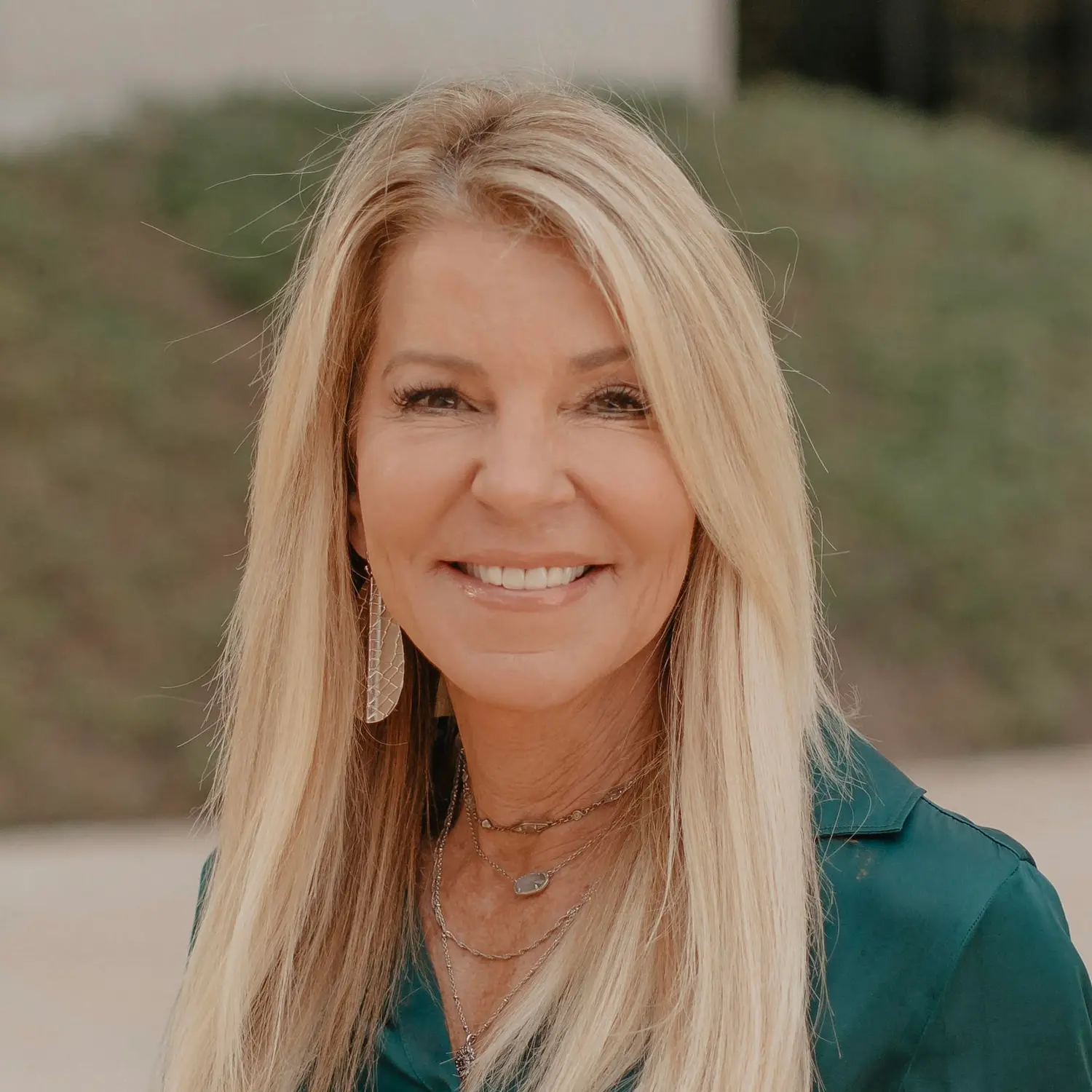
Connect with Donna Jones
Website | donnajones.org
Instagram | @donnaajones
Book | That’s Just What I Needed
Show Notes
Hey, there.
Welcome to the Collide Podcast.
This is Willow Weston.
I’m super glad to be hanging out with you today.
And I just got an interview, a woman named Donna Jones who wrote a book called Healthy Conflict, People, Peaceful Life.
And conflict is so real, right?
Like, it’s.
It’s inevitable.
It’s a part of being human.
And we have this great conversation in this interview where I just felt like she dropped so much wisdom, practical tools, things you can take from this interview and actually implement them into your current conflict.
Right now.
If you hate conflict and you avoid conflict, you’re going to want to listen to this.
If you think you’re super awesome at it, you’re going to want to listen to this.
I think anyone can get something out of it, and it’ll increase your peace.
So take a listen.
Hey, Donna.
It’s so good to have you on the Collide Podcast.
Donna Jones
00:01:08.850 – 00:01:13.010
Oh, I am so happy to be here, Willow.
Thanks for having me.
Willow Weston
00:01:13.330 – 00:01:28.500
Yeah, well, we’re trading tables or.
I don’t even know chairs.
I don’t even.
Wrong phrasing.
Don’t know, don’t care.
But you had me on your podcast, and we had such a fun chair chat, and I loved it so much, and so I was like, I gotta have this lady on my podcast.
Donna Jones
00:01:28.980 – 00:01:29.580
Oh, I.
Willow Weston
00:01:29.580 – 00:01:29.980
Felt the.
Donna Jones
00:01:29.980 – 00:01:31.340
Same way.
I was.
Willow Weston
00:01:31.340 – 00:01:31.700
Like, oh,.
Donna Jones
00:01:31.700 – 00:01:33.420
I like her so much.
So.
Willow Weston
00:01:33.420 – 00:01:38.900
Oh, my gosh.
You’re like my new friend from.
Aren’t you in Southern California?
Donna Jones
00:01:38.900 – 00:01:40.340
Yeah, yeah, yeah, Southern California.
Willow Weston
00:01:40.340 – 00:01:40.580
I.
Donna Jones
00:01:40.580 – 00:01:40.820
Mean,.
Willow Weston
00:01:41.860 – 00:01:43.940
You’re my new Cali friend.
I love.
Donna Jones
00:01:43.940 – 00:01:44.260
It.
Willow Weston
00:01:45.220 – 00:02:14.620
So we’re gonna get into kind of this topic that you become so of an expert at.
Your newest book is called Healthy Conflict, Peaceful Life.
But before we start talking about conflict, I thought it’d be fun to hear what are maybe some top moments in the last little bit where you just have had, like, these just peaceful moments, whether it was by yourself or with your family or friends or just, like, moments when you think, oh, that was.
That was like a moment of peace that I’m so grateful for.
Donna Jones
00:02:15.660 – 00:02:48.830
Okay, so the first one I think about is.
I don’t know, this was maybe a month ago, and it was like a Sunday afternoon, like, early evening.
Ish.
And my husband and I, we live not too far from a lake, and so we just took our beach chairs by the lake, and we took books, and it was like we were under a tree and our feet were in the grass and, you know, the lake with the ducks, and we were just side by side, and both of us were like, ugh, this is I mean, this was like, better than a nap.
This was so great.
So that was the first thing that I.
Willow Weston
00:02:48.830 – 00:02:50.510
Thought of.
And then I.
Donna Jones
00:02:50.510 – 00:03:09.030
Think the second is just a moment we have.
We’re one of those families that have about a million birthdays within a week’s time.
And so we had everybody over to, you know, celebrate all the birthdays and just the laughter.
That felt peaceful to me.
So.
Willow Weston
00:03:09.030 – 00:03:27.210
Those are the two things.
I love it.
It always blows my mind when I go out in creation by the water, like you said, or for a walk and I’m looking at the trees, or I’m in a garden, something where I just stop and I’m looking around at nature.
How peaceful I always feel.
Donna Jones
00:03:27.930 – 00:03:28.250
And.
Willow Weston
00:03:28.250 – 00:03:57.360
I always say to myself, why don’t I do this more?
I shoot this every day and then I don’t do it every day.
And I find myself, you know, in meetings and in podcast rooms and emailing and on a laptop, and then the day’s over.
And so it’s.
It’s so true.
When you just take those moments to be outside and be with people you love, it’s so good.
How did you become passionate about conflict and finding peace in conflict?
It couldn’t have been from just a completely peaceful life?
Donna Jones
00:03:59.280 – 00:04:02.400
No.
Because do any of us have that?
And the answer would be.
Willow Weston
00:04:02.800 – 00:04:03.200
No.
Donna Jones
00:04:03.680 – 00:04:12.580
So I want to say to whoever is listening, if you have any type of conflict in your life, I just want to set the bar your normal, because you’re human.
Willow Weston
00:04:12.820 – 00:04:13.060
And.
Donna Jones
00:04:13.060 – 00:04:30.300
You live with humans, so it’s just a part of life.
But here’s the thing.
We all know that when our relationships aren’t right, life isn’t right.
There’s something that if a relationship is in turmoil, our soul’s in turmoil, or our mind.
Willow Weston
00:04:30.300 – 00:04:30.620
Is in.
Donna Jones
00:04:30.620 – 00:05:59.730
Turmoil, and we really long to have our relationships be peaceful, be harmonious, you know, be unified.
All of those.
All of those things, right?
We want good relationships.
So I was.
This is a two pronged answer, actually.
So I was just thinking, okay, if all of us want good relationships, and we do, then what’s the one thing that causes us not to have good relationships?
And it’s conflict.
So I thought, well, let’s just dive into that topic, because if we can figure out how to navigate conflict, well, then that means we are 75% of the way home to having a good relationship with those around us.
So.
And it’s just like, it’s one of those things, Willow, that everybody knows we have, but nobody wants to talk about it and nobody wants to figure out how Do I do things differently than I’ve always done them?
So I thought, okay, let’s dive in.
And then the second thing was just from my own life experience, and it’s like, there’s been conflicts that are really painful and ways that I look back and I.
And I’m like, I handled that the wrong way and I regret about the way I handled it.
And just over time, learning, you know, diving into what God says about this is the way, because he’s a lot to say about the way his kids handle conflict.
Willow Weston
00:06:00.290 – 00:06:00.650
And.
Donna Jones
00:06:00.650 – 00:06:10.690
And then just starting to practice them in my own life and seeing like, oh, whoa, this is a game changer if I’ll actually do what God tells me to do.
So.
Willow Weston
00:06:11.090 – 00:07:17.810
Well, I know we’re going to break all of that down, but one of the things I noticed right away is your answer was, how do we.
We need to figure out how we navigate conflict.
You didn’t say we need to figure out how we avoid it all together.
Because I think what you’re getting at is we are humans in conflict is absolutely going to come up in every relationship.
So.
So it’s not a matter of actually avoiding it ever happening, but when it does happen, how do we navigate it?
Of course, we can do things to keep it from happening, but there seems to be these collisions that we have with people that, that create it.
And so I’m curious, before we sort of break down and get into, like, some things we can learn from scripture on conflict, why do you think we just settle for this lack of peace in our relationships?
Like, I think sometimes some.
Some of us just go, it’s how it’s going to be.
It’s how it’s always been in my family of origins, how it’s always been in my marriage or how it’s always been with my.
My parents or whatever.
And so we just kind of settle, like, it’s just never going to be peaceful.
Why do you think we do that?
Donna Jones
00:07:18.369 – 00:10:08.240
That.
I’ve never been asked that question.
That is a great question.
And I think it’s because what we.
I think it’s two things.
I think it’s that for so many of us, we never saw conflict handled in a way that made it turn out right.
So we just assume conflict means things will always go wrong.
So we kind of have this fear of conflict, avoidance of conflict, because we just, you know, every time it’s happened, we never saw it.
We saw people walk out, or we saw people scream, or we saw people give the silent treatment, or we saw people ghosted or Relationships fractured, and we never actually saw, like, oh, how can people navigate this so that they actually become closer?
So let me tell you.
This is so funny, Willow.
A couple years ago, I ended up in the eye doctor’s office, and it was a doctor that examined your eyes for cataracts.
And so I’m in the waiting room, and this older lady sitting next to me, and she goes, oh, honey, I think you’re in the wrong office.
Because cataracts are usually something that people get their twilight years.
And I was like, no, I think I’m.
I’m supposed to be checked for this.
So I go into that, but I’m thinking, this is nuts.
I do not have cataracts.
No way.
So I go into the eye doctor, and he puts on those big goggles that make him look like a fly.
And he’s examining my eyes, and he.
He says, oh, my goodness.
You have a cataract in your right eye.
And then he looks at my left eye, and he goes, oh, this is so unusual for someone your age.
You have a cataract in your left eye.
And I said, okay, I just don’t think that’s right.
I seem normal.
Like, I don’t think my vision’s impaired at all.
He goes, no, no, you have two cataracts.
And I go, I.
Can you look again?
I’m pretty sure, no, you have cataract.
I’m like, but I see.
And then he just stops, and he looks at me really seriously, and he goes, I don’t think you understand this.
You have cataracts.
And then he said, I know you think your vision is normal, but just because what you think is normal does not mean that’s healthy.
You have cataracts.
So all that to say is, like, what we think is normal for the way that we have grown up, in whatever way that we saw conflict handled for us, that’s normal.
But normal does not always mean healthy.
And so then we have to go, okay, well, what is healthy?
What does that look like?
How do healthy people handle this?
And what does God’s word say about that?
So that’s.
You know, that’s just a real thing.
Willow Weston
00:10:08.240 – 00:10:34.980
Yeah, because you’re.
You’re making me think of people I know who have said, oh, my gosh, my parents had the perfect relationship.
They never had conflict.
I can’t believe they got divorced.
I can’t believe they broke up.
And.
And then I’ll have conversations, and I know the parents, and I know their story, and they never dealt with their conflict.
They never spoke of it or they never repaired it.
Right.
And.
Donna Jones
00:10:34.980 – 00:10:35.340
So.
Willow Weston
00:10:35.420 – 00:10:57.490
It’s interesting how we define, like, oh, if you have a relationship that just doesn’t talk about the conflict, therefore it’s healthy, when in actual that might not be true.
So we have these experiences of what we’re used to when it comes to conflict.
But I love what you said when we first started out because you said, if we have conflict in relationship, life just doesn’t feel right.
Like,.
Donna Jones
00:10:57.490 – 00:10:57.810
Right.
Willow Weston
00:10:57.810 – 00:11:19.150
Something’s not right in a relationship.
And that’s so true.
When I have conflict with someone, I’m having a hard time sleeping.
I’m having.
I often am, like, cycling through, like, what I can do to make it better.
What.
What did I do to add to this?
What could I have done differently?
How am I going to repair this?
You know, you just.
It’s like, hard to relax, which completely steals your peace.
Donna Jones
00:11:19.310 – 00:11:19.790
Yeah.
Willow Weston
00:11:19.790 – 00:11:31.870
So I, I so want to talk to you about so many things, but you help people uncover the heart issues that fuel conflict.
What are some of the heart issues that do that?
Donna Jones
00:11:33.630 – 00:13:02.570
Again, these are just such great, great questions.
Well, there’s a couple of things I think we already talked about.
One, just misunderst understanding that conflict is just a part of life.
Now, this is, this is the crazy thing.
No one listening is going to say, disagree with that.
They’re going to say that everybody listening nods their head yes.
Conflict is a part of life.
However, then when conflict comes up, we do typically one of two things.
On one end of the spectrum, we avoid it because we hate it and we just want it to go away.
Right.
So we just keep the peace at all cost.
Nothing’s a big deal.
Don’t say anything.
You know, probably a lot like this couple that you were referring to that got divorced when they never seemingly had conflict.
On the other end of the spectrum of the avoiders are the people that are the attackers.
And so these are the people that when conflict flick comes up, it’s like, well, I’m going to win.
So I’m going to yell at you, I’m going to power up on you.
I’m going to shame you.
I’m going to slam a door.
You know, it’s all the, all the attacking kind of things.
And neither of those are helpful.
Neither of those are biblical.
So avoiders, not biblical attackers, not biblical.
But there is a sweet spot in the middle.
This is where we want.
Willow Weston
00:13:02.570 – 00:13:04.010
To go.
Yeah, tell us.
Donna Jones
00:13:04.170 – 00:13:29.670
These people are called the addressers.
So these are the people that actually go, ugh, I hate it.
But if I’m going To navigate this in a way that I’m not going to have regrets and have the best possible outcome for repair and restoration in my relationship.
I have to address it.
And I gotta.
I’ve gotta address it like Jesus tells me to.
So that’s.
Willow Weston
00:13:29.670 – 00:13:29.790
Where.
Donna Jones
00:13:29.790 – 00:13:37.430
We’re going.
We want to be addressors.
And it’s hard, but it’s.
Can I give you an illustration of how this worked itself out?
Willow Weston
00:13:37.770 – 00:13:39.050
I love it.
I love it.
Donna Jones
00:13:39.770 – 00:14:46.820
I have a friend, she’s very close friend.
And then we.
I moved, which meant we were, you know, hour and a half, something like that, away from each other.
But we wanted to keep our relationship intact, so we met every once in a while, you know, in the middle.
And so we had planned to meet for lunch, which is about a 40, 45 minute drive from me.
So I’m driving five minutes away from the restaurant, I get a text and she says, oops, probably should have told you before now, but I’m meeting my husband for lunch instead.
And Willow, I was like, what?
Like, she texts me now five minutes before I’m there.
And.
But then I was like, okay, just, Donna, just let it go.
It’s not that big of a deal.
What are you going to say?
You know?
But then five minutes later, I was thinking in my mind, okay, that was so disrespectful.
Like, I can’t believe she did that.
You know, it’s like I had emotional whiplash.
It’s not a big deal.
Well, yeah, it is a big deal.
You know, it wasn’t respectful.
She really didn’t mean it.
You know, I was going back and forth.
I was.
I was going back and.
Willow Weston
00:14:46.820 – 00:14:51.460
Forth.
We talk ourselves into and out of all sorts of things.
Donna.
Donna Jones
00:14:51.620 – 00:15:22.500
Totally.
And it usually happens in the car while we’re driving, in the shower.
You know, we’re having all these conversations in our head.
So I get back home and I can’t show.
Shake it, Willow.
And I realized something, that if I did not talk to her about this, then one of two things was going to happen.
I was going to become bitter at her and then possibly even just starts distancing myself from her as a friend.
Willow Weston
00:15:23.060 – 00:15:23.540
Yeah.
Donna Jones
00:15:23.940 – 00:16:54.650
And now if this had been the one and only time she had ever done anything like this, I might have just chalked it up to, you know, a one off thing.
But there had been a couple things, not this severe, but a couple of things that were sort of like this.
So that’s why I knew, okay, I’ve got to talk to her about this.
So we decide to facetime And I’m thinking, oh, my goodness, what do I even say?
How do you start a hard conversation that sets it up for the best possible outcome, for it to turn out good?
So, Willow, I had planned to lead with how the whole thing made me feel, but when I saw her face on the screen, it was like the holy Spirit just made me stop.
And I started with, you know, hey, it’s so good to see you.
I miss you so much.
Which was, like, affirming of the relationship, right?
And then this was the key.
I really do think this was the game changer.
I asked her a question, and I simply just said, tell me what happened yesterday with our lunch.
And then, Willow, she went on to explain this entire backstory of things that were going on with her husband and his life.
And then she said, I’d planned to tell you all of this at lunch, but, you know, he reached out to me, and then I was able to say, oh, my goodness.
Okay, now this all makes sense right now.
This was the beauty of leading with listening, because we want to lead with.
Willow Weston
00:16:54.810 – 00:16:55.130
Our.
Donna Jones
00:16:55.130 – 00:17:34.960
Perspective, right?
But when we lead with listening, it does two things.
We already know our perspective.
What we don’t know is the other person’s.
So when we just lead with a question and then we just listen, we have the whole picture.
We have our side and their side.
So now we’ve got the whole thing, and we know how to proceed.
And the other thing it does is when we let them go first, it diffuses the tension right from the beginning.
So this really awkward conversation doesn’t start out so awkward.
It starts off with us just asking a question,.
Willow Weston
00:17:35.600 – 00:17:36.000
Right?
Donna Jones
00:17:36.240 – 00:18:00.180
So.
And then I was able to say to her, you know, after she told me the whole thing, I said, okay, this makes sense.
Do you mind if I tell you how that made me feel?
And she said, no, not at all.
And I said, well, it made me feel disrespected.
And I said, I wish you had texted me, of course, earlier, but even if you didn’t, I wish you texted me after just to say something.
Willow Weston
00:18:01.220 – 00:18:01.500
And.
Donna Jones
00:18:01.500 – 00:18:40.970
I said, can you understand why that would have made me feel that way?
And she said, oh, my gosh, absolutely.
And then she said this.
She goes, donna, I thought about texting you afterwards, but honestly, I felt so guilty and awkward about what I had done, I just thought it was kind of easier not to say anything.
So she was avoiding.
Right?
The hard thing.
And then she said, thank you so much for not letting this go and for having this conversation.
And, Willow, we ended up having the Sweetest.
We both ended the conversation in tears.
I mean, it was like that.
It.
Willow Weston
00:18:40.970 – 00:18:41.450
Was so.
Donna Jones
00:18:41.930 – 00:18:59.290
Beautiful and reconciling.
And it was because I didn’t avoid and I didn’t attack.
I just was like, okay, Lord, I just want to do this your way.
Let me just listen and address.
And that’s the beauty of doing it this way.
Willow Weston
00:19:00.090 – 00:19:57.040
I love that you shared that story because it makes it look so possible.
And it also makes me think, man, what if you never would have had that conversation?
I think there’s a lot of us who.
So we aren’t having those conversations, and things are building up and building up, and there’s distance happening and lack of peace and even friendship breakups and family issues and all sorts of stuff.
The other thing it made me think of is, you know, years ago, in my own therapy, my therapist encouraged me that when you’re having an issue with someone else, to not just assume things, but tell yourself five other stories that could be true.
Because we kind of, like, start looking, oh, she’s, you know, like your friend.
Like, she stood me up because she just doesn’t respect my time.
She’s.
And that’s the story you tell yourself.
But if you start to go, well, what are five other possibilities?
One of them could have been that she was having kava with her husband.
I didn’t think of that when you told me.
Right.
And.
Donna Jones
00:19:57.040 – 00:19:57.320
So.
Willow Weston
00:19:57.400 – 00:21:31.350
When we can practice telling ourselves other stories, that.
So helpful.
But, you know, it’s interesting.
I’ll throw myself under a bus.
This summer, we had some conflict with one of our kids, and I think that instead of avoiding, I became.
I went into kind of attack mode.
I would say it was an intense mode.
I was kind of like, you know, this and this and this.
And my husband was able to see what was going on in a way that I couldn’t see and nor couldn’t my child see.
And he talked to me about it, and he said, you were afraid.
Like, your fear came out in that conversation.
And that’s.
When you’re.
When you’re afraid, Willow, your intensity increases.
And I thought, oh, wow.
Like, actually took that to my therapist into Jesus, of course, because I was like, oh, that’s really true.
And.
And what you’re sharing with your friend is that you had a conflict because there was something else going on, whereas I was having conflict with my kid because there was a fear at play that was telling me all these hypotheticals were going to come true in their life.
And I was doing everything I could to try to, like, keep them from experiencing these scary things.
And so I’m just curious, because you help people discover biblical tools for responding to conflict.
Do you have some where you’re like, hey, when this comes up, you should know this.
When this comes up, you should know this?
I mean, do you just have a few, like, pull it out of your pocket.
Here’s some of my top tips for helping.
Donna Jones
00:21:31.590 – 00:21:37.430
Yes, yes, yes, yes.
And by the way, just piggybacking on what you said, because I talk about that in the book, about assumptions,.
Willow Weston
00:21:38.070 – 00:21:38.470
Because.
Donna Jones
00:21:39.110 – 00:21:44.470
Our brain minds for stories to make things make sense, which is why we go, oh, she said that.
Willow Weston
00:21:44.470 – 00:21:44.790
Because.
Donna Jones
00:21:45.190 – 00:21:48.430
He did that.
Because, like, we’re trying to make sense of things.
But.
Willow Weston
00:21:48.430 – 00:21:48.630
Do.
Donna Jones
00:21:48.630 – 00:22:08.490
You know that social scientists have studied this, whether how accurate we are when we make up those stories in our head as to why someone did something?
Do you know that we are only accurate 20% of the time?
So 80% of the time, it’s one of those other five stories that.
Willow Weston
00:22:08.490 – 00:22:08.770
Could.
Donna Jones
00:22:08.770 – 00:22:14.530
Possibly be true.
So I love that your therapist said that, because she was right on the money.
Willow Weston
00:22:14.770 – 00:22:21.570
Sometimes I have to write five other stories that could be true, and I literally have to spend, like, an exercise trying to write those down,.
Donna Jones
00:22:21.570 – 00:22:26.830
Which is why actually, like, leading with a question helps you discern, like, what is the true story.
So,.
Willow Weston
00:22:26.910 – 00:22:27.230
But.
Donna Jones
00:22:27.230 – 00:25:16.710
Going back to your.
Going back to your question, there’s a chapter in the book where I talk about the one thing that no conflict can be resolved without.
It’s like the absolute, positively.
If you don’t have this, call it a day, because you’re not going to have a good outcome.
And when most people think, okay, well, what’s the thing that I need to do to resolve conflict?
They think of an action.
But, Willow, it’s actually not an action.
It’s an attitude, and it’s the attitude of humility.
And if we don’t have humility, there’s no way that you can navigate conflict.
And humility is really misunderstood, I think, especially for women and maybe even women that came from really harsh backgrounds, because we tend to think of humility as equating with humiliation.
And so it makes us, like, kind of cower like a little dog, which then, of course, you know, we’re avoiding, or it makes us think, okay, well, there’s no way that happened to me in the past, so no way is someone going to take advantage of me again.
Well, that makes us attackers.
And that’s because we think think of humility as equated with humiliation.
But humility is actually strength restrained.
And this is what humility does.
Humility does not make us a doormat for exploitation.
It makes us a doorway for conversation.
So if you’re, you know, if you think humility is making you a doormat, you’ve misunderstood it.
It’s, it’s making you a doorway.
And so, so you got to have humility.
And there’s a whole page in the book, and I think it might be actually the most helpful page in this whole book where I just, I, I just list like, okay, what would conflict look like with humiliation?
With humility, and what would it look like without humility?
Here’s just a couple of things.
So if you have humility, then you seek to understand and, and be understood.
It’s both.
But conflict.
Without humility, it seeks only to be understood.
Conflict.
With humility, it values the relationship.
Without humility, it values being right.
With humility, it sees one’s own contribution to the conflict.
Without humility, it only see the other person’s contribution.
Just a few is a few more.
With humility, it’s concerned.
Without humility, it’s controlling.
With humility, it owns one behavior.
Without humility, blames, you know, behavior.
I mean, there’s a whole list of like,.
Willow Weston
00:25:16.710 – 00:25:17.070
Yeah,.
Donna Jones
00:25:17.070 – 00:25:34.000
And you can look like is one is helpful, one is hurtful, one, you know, works through, one walks away.
I mean, you know, all these kinds of things so that people can actually see, okay, what would that look like if I actually navigated this with humility?
Or I wasn’t a doormat, but I was a door away.
Willow Weston
00:25:38.240 – 00:26:26.780
If you’re longing to grow in Jesus, make sure you check out my new Bible study book, Collide A six week Journey toward Healing.
It comes with six teaching sessions.
Reflection, questions, prayers, all the things you need to grow.
If you’re longing for that, you can do this by yourself, but you could also grab some girls and grow.
Cause there’s powerful things that happen when we gather together.
We’re already hearing feedback on how this is impacting life.
So make sure you get your very own collide study wherever you get books, Amazon, Barnes and Noble, wherever.
Let’s keep colliding.
What’s your advice for someone who comes into conflict with someone they care about with humility, but that person is the attacker?
Donna Jones
00:26:27.100 – 00:26:27.380
Like,.
Willow Weston
00:26:27.380 – 00:26:29.020
How do we deal with the attacker?
Donna Jones
00:26:29.340 – 00:27:08.740
Yeah, that’s so good.
Well, there’s a, there’s a, there’s a couple of ways.
I mean, this, this is why it’s like.
And I love the fact that you really focus on our relationship with Jesus because conflict is not just a Science, it’s an art, and it really.
It requires the Holy Spirit.
It totally requires the Holy Spirit.
So one of the things that my daughter taught me that she does in the midst of conflict is she plays this really quick prayer, and she says, okay, Lord, let this be a conversation not between two, but between three.
Willow Weston
00:27:09.940 – 00:27:10.340
You,.
Donna Jones
00:27:10.420 – 00:29:10.730
Me, and the other person.
So it’s kind of like just quickly go, okay, Lord, I need.
I need you here.
I need this to be three.
Because, Willow, honestly, sometimes there’s a place to go, okay, we’re not going to have this conversation right now because the way you’re talking to me is disrespectful.
You know, sometimes it’s, okay, let me give it.
And this might be helpful, too.
When J.P. that’s my husband, and I were newly married, we got in this conflict, and it was escalating.
I was saying one thing, he was kind of one upping me, and it got louder and louder and louder.
You know, neither of us were listening to each other.
And, you know, we were just.
We were just all over the place.
And then suddenly, in the midst of this escalation, my husband looks at me and he goes, donna, Donna, I’m on your team.
And Willow, the minute he said that, it was like all of this intense emotion that had just been escalating.
Escalating, it just diffused.
Because what ends up happening when we’re in conflict is we tend to think it’s you against me, whereas healthy conflict resolution is you and me against the problem.
So, child, that you’re having trouble with that, because homework is a nightmare or whatever.
Instead of me battling you about you’re not doing your homework, it’s me and you saying, hey, homework needs to get done.
Obviously, you’re frustrated about this.
Obviously.
It’s clear I’m frustrated about this.
Let’s figure this out, because homework has to get done.
So let’s figure it out.
You know, so it’s you and me against the conflict, or you’re having financial problems with your marriage.
In your marriage.
There’s a whole.
I have a whole example of that in the book, how this couple really navigated that, where instead of, you’re so cheap.
Oh, my gosh, you’re such a spend.
You know, you spend our money, you know, like it grows on trees, blah, blah, blah.
Right.
Where are.
Willow Weston
00:29:10.730 – 00:29:14.050
You in people’s living rooms?
I mean, what’s going on here?
Donna Jones
00:29:14.730 – 00:29:18.170
I’ve just lived enough life, Willow, that I know the real.
Willow Weston
00:29:18.250 – 00:29:45.720
Why is it that a cheap person marries someone who spends.
Like, it grows on Trees every marriage.
That’s what I was going to ask you, Donna, though, is what’s your advice for people who are having the same conflict over and over and over, like they’re in a stuck cycle of like it’s the same conflict or the same thing happens in every time they have conflict.
The way they deal with it, it’s like just this.
It is a hamster on a hamster wheel.
Donna Jones
00:29:45.800 – 00:29:59.319
Okay, again, this is an amazing question and I have an actual chapter in the book about that because that’s a thing, right?
It’s always the homework or the finances or the in laws or something like.
Willow Weston
00:29:59.319 – 00:29:59.560
That.
Donna Jones
00:30:00.360 – 00:31:10.530
I would say that if you’re in a situation like that is to get by yourself and look at the patterns.
Like, look at your.
Think about the last time you had an argument and think about, okay, what did I say?
What did they say?
And just kind of evaluate it.
Almost like you’re a detective, completely non emotional.
Like you’re just kind of exploring what’s our pattern.
And if you do that, you’re going to see a pattern and then you’re going to see like where it goes wrong.
So quick, you know, just quick illustration.
My husband and I had this pattern that I would ask him to do something around the house.
He would say, oh, okay, yeah, yeah, yeah, I’ll get to that.
And then he wouldn’t fix it.
He wouldn’t get to it.
And then I’d remind him again, okay, don’t forget, that has to be fixed.
Oh, yeah, yeah.
I’m so, so sorry.
I forgot.
I forgot.
I’ll get to it.
And then that would, you know, go on replay until finally, Willow, I was so sick of it that I would lose my marbles.
And then he would say, okay, fine.
And then.
But it would get done.
So, see, it was reinforcing.
Willow Weston
00:31:11.410 – 00:31:11.810
Me.
Donna Jones
00:31:11.810 – 00:31:15.090
Losing my marbles because that’s when he finally got off the dime.
Willow Weston
00:31:16.130 – 00:31:18.210
Is your name Alexa?
Is your name.
Donna Jones
00:31:18.210 – 00:31:18.850
Alexa?
Willow Weston
00:31:19.650 – 00:31:30.130
Are you in my living room?
It’s like, you know, why do you gotta nag me to do this thing?
I’m like, because if I don’t nag you, you’ll never do it.
You’ll.
Donna Jones
00:31:30.130 – 00:33:02.260
Never get it done.
So, okay, so here’s what happened is that one day we got in this huge argument because he needed to fix something out in the yard.
And he’s out there fixing it.
I’m standing in the kitchen and it dawns on me like, oh my gosh, we’re in this pattern.
So I go and I sit down beside him in the grass.
And I was like, okay, I think the Lord just revealed something to me.
And I explained the pattern.
And I said, do you.
Do you see that?
Do you agree with that?
That that’s how it happens?
And he was like, yeah, that is how it happens.
And I was like, okay, that makes.
I don’t want to be a nag.
I don’t want to yell, but I also want things to get done.
And he said to me, donna, I want to get things done, too, but I bet you don’t realize when you ask me the time, the timing of it.
And I was like, what do you mean?
And he goes, you typically ask me at the end of the day, and I’m just, like, sitting down on the couch finally, you know, 9 o’ clock at night.
And it’s not that I don’t want to do it.
I just don’t want to do it then.
And so then what happens is I forget.
And I was like, oh, my goodness, you’re right.
I hadn’t even noticed.
That was when I did it.
So we were like, okay, all right.
What can we do?
So it’s a win, win.
And he goes, how about if you just come up with a honey do list?
You put it on, you tape it up or, you know, put it up somewhere, and you just tell me what needs to be done, when it needs to be done.
That way you get everything done you want.
I kind of have a timeframe.
I get to.
And it was, like, golden for us because we navigated that repeated conflict, and we kind of came up with a plan.
So.
Willow Weston
00:33:02.580 – 00:33:07.540
This is the most snarkiest thing I’ve maybe ever said on this podcast.
Donna Jones
00:33:07.780 – 00:33:08.260
I love.
Willow Weston
00:33:08.260 – 00:33:46.880
It.
I can’t even believe I’m about to say this, but I think if my.
I’m about to start laughing so hard.
I think if my husband was like, you know when you ask me to do these honeydew things, you know, at the end of the night when I’m tired, and I’m like.
I think I’d be like, yeah, you mean like when you ask me to have sex?
Do you mean, like, at this.
At the same time when I’m really, really tired?
You mean then.
Cool.
Okay.
Yeah.
Let’s not ask each other to do stuff when we’re both tired.
No, no, no.
I’m not blowing your illustration out of the water.
I think it’s so good, Donna, and I love it.
Can we go back.
Donna Jones
00:33:46.880 – 00:33:47.760
Can we go back to.
Willow Weston
00:33:47.760 – 00:33:48.240
Yeah,.
Donna Jones
00:33:48.640 – 00:33:48.920
Can.
Willow Weston
00:33:48.920 – 00:33:51.120
We get Willow out of her crazy brain?
Donna Jones
00:33:51.680 – 00:33:55.080
I love it.
This is why you Would be my friend, Willow.
We.
Willow Weston
00:33:55.080 – 00:33:56.080
Are friends.
We’re.
Donna Jones
00:33:56.080 – 00:34:05.260
Friends.
We are friends.
We are friends.
This is the stuff friends say to each other.
So you asked me, like, the just bullet point nuggets.
So I’m going to say this.
These are quick, and these can be.
Willow Weston
00:34:05.260 – 00:34:05.460
Really.
Donna Jones
00:34:05.460 – 00:34:25.580
Helpful.
Is that just kind of remember this phrase, don’t make the small things big, but don’t make the big things small.
And that.
We tend to get that reversed.
We make the small things like, oh, we didn’t fix the sprinkler outside.
Now my lawn’s getting brown.
You know, like this.
Willow Weston
00:34:26.070 – 00:34:26.310
Yeah.
Donna Jones
00:34:26.310 – 00:34:34.790
You know, as if it was an earthquake.
That was a 10.0 or something.
But then, like, really serious things.
Willow Weston
00:34:35.670 – 00:34:35.990
We.
Donna Jones
00:34:35.990 – 00:34:49.190
Minimize and sweep under the rug and don’t talk about.
We make the big things small, and that is a recipe for disaster.
It has to be addressed if we have any chance of a real relationship.
Willow Weston
00:34:50.470 – 00:35:38.630
Yeah.
I was going to ask you about this, actually, because there’s people listening who they’ve just said for so long, like, it’ll go away.
This conflict between me and my sister.
It’ll go away.
It’ll go away.
It keeps not going away.
And the way I think about is kind of like when you sweep things under the rug, you know, one thing layers another thing, another thing, another thing.
Before, you know, it doesn’t look like a rug.
It’s all in there, and you can’t really avoid it.
Sort of the elephant in the room.
But what’s your advice to someone listening who’s been doing that for so long?
The.
This will just go away, and it hasn’t gone away.
How do they now approach this conflict that’s been laying dormant for far too long with someone they care about?
Donna Jones
00:35:39.030 – 00:38:20.990
Yeah, that’s a great question.
And I would say it depends on the level of destructiveness of that behavior.
So if it’s less destructive, you might just want to say something like, hey, I.
You know, there’s.
There’s something that’s been going on, and I haven’t said anything about it.
I probably I should have, and I just kind of swept it under the rug.
But I love you so much, or I appreciate you so much or whatever the relationship is, but I don’t want to do that anymore because I.
You’re important to me, and I want us to have a really good relationship.
And then, you know, address it that way.
I think if it’s a bigger issue, it’s something like an addiction, you know, something that’s really heavy.
Those things you’re going to want Somebody to come alongside.
It’s almost like Willow talking about things under the rug.
If there’s just a few crumbs under the rug, you can sweep that out yourself.
But if there is a mound of stuff, you’re probably going to need a couple people to help you sweep it out.
So I would say, you know, I would say evaluate how big that is.
But again, you cannot have a healthy relationship if you don’t.
Now, here’s the thing.
As much as we’ve talked about, like, addressing, not avoiding, not attacking, you know, being humble, all of this stuff, you know, talking about identifying patterns, all that, there’s still going to be some relationships or some conflict that doesn’t go according to the way we want.
Because it takes two people, right?
It takes two people, and you can’t change another person.
But here’s the thing, and this is where the no regret comes in, is that even if the other person doesn’t change, if you do things the way that, you know that God wants you to do them, then you can at least look at yourself in the mirror and have no regret about the way you handled it.
And that is vastly different than having a relationship go south.
People ghost each other, people, you know, all kinds of things where you look at yourself in.
In the mirror and you go, okay, not only did that really go bad, but I contributed to that because I did not handle that well.
That’s two layers of regret, right?
Willow Weston
00:38:21.070 – 00:38:23.549
Absolutely.
I mean, then you have to carry the shame.
Donna Jones
00:38:24.190 – 00:38:24.550
That.
Willow Weston
00:38:24.550 – 00:38:30.270
You feel that you lost it or you got defensive or you became a pit bull or.
Donna Jones
00:38:30.590 – 00:38:30.990
Right.
Willow Weston
00:38:31.470 – 00:38:31.750
And.
Donna Jones
00:38:31.750 – 00:38:37.120
Which we all do.
That’s why.
Grace, Grace, Grace, Grace, Grace.
But we appreciate, apologize, we try.
Willow Weston
00:38:37.120 – 00:38:37.320
To.
Donna Jones
00:38:37.320 – 00:38:42.000
Repair, and as quickly as we can.
That’s the most healthy thing.
Willow Weston
00:38:43.200 – 00:38:58.720
What’s one of your very favorite.
I know you shared the cool story with you and your friend, but what’s one of your favorite stories of two people moving from conflict to peace before we come to an end?
I think it’d be fun to just hear another story.
Donna Jones
00:38:59.600 – 00:41:44.400
I think the most impactful there’s.
Again, there’s been many in my own life, but I spoke at a conference one time, and it was not on this subject at all.
But I happened to mention humility in whatever I was talking about.
And the conference director came up to me afterwards, and she said, did you see my daughter sitting on the front row with me?
And I said, yeah.
And she goes, there, that wouldn’t have been possible two years ago.
And I said, really?
Why?
And she said, I wanted nothing more than to be a really good mom.
And my daughter was delightful as a child, but when we hit the teenage years, our home was a battlefield.
And she said, no one knew it, but it was.
It was a battlefield.
And she said the minute my daughter was 18, it was kind of like, adios.
And we had a really strained relationship.
And she said, donna, I tried everything.
I tried tough love, soft love, up love, down love.
You know, I mean, I tried everything, and just nothing would help us.
And then I decided to try something I never tried before.
I called my daughter and I said, I want to take you to lunch, and I would like you to tell me everything from your perspective that I did that hurt you as you were growing up or that you felt like I did wrong.
And here’s my promise to you.
I will not say a word.
I will only listen.
So her daughter agreed.
And she said, we went to lunch.
And she goes, it was so awkward at first.
And then she said, my daughter started just saying one thing, and she goes, everything in me, she goes, everything in me wanted to go, well, do you remember what was going on at the time?
Or, well, I only did that because, you know.
Or you were no picnicky that, you know, she was like, there was a million things I wanted to say, but instead I just was quiet.
And then she realized I was serious about listening, and so she said something else, and then she said something else, and then she said something else, and she said, it was the hardest conversation of my entire life.
I felt pummeled, and I felt like I was the worst mom in the history of moms.
So we get back in the car, and I look over at my daughter, and I realize she has a look on her face of lightness, and.
And she says to me, my daughter looks at me and she goes, mom, that was the best conversation we ever had.
Willow Weston
00:41:49.890 – 00:41:52.290
We’re laughing, but I’m sure she wants to cry.
Donna Jones
00:41:52.370 – 00:41:58.330
Oh, yeah.
She was like, I was dying.
But she goes, that was the beginning of.
Willow Weston
00:41:58.330 – 00:41:58.530
The.
Donna Jones
00:41:58.530 – 00:42:24.560
Healing.
And now later on, you know, they had a more full orbed discussion, you know, about their lives and their relationships and stuff.
But that was as.
As she stood there.
And then I just saw, you know, her daughter on the front row with her.
I just thought, okay, this was hard fought.
She went through a battle.
And you know what?
Because she did it God’s way, she won.
She won.
Willow Weston
00:42:24.560 – 00:42:24.760
The.
Donna Jones
00:42:24.760 – 00:42:34.560
Relationship.
And it was, honestly, Willow, one of the most profound illustrations of how conflict really can lead to a more peaceful life.
Willow Weston
00:42:35.920 – 00:43:12.520
Yeah.
That’s so good.
Thank you so much.
I mean, Donna, I could talk to you for hours on Conflict.
Who knew?
Because it’s so relevant to our lives.
But you give really practical advice, and it just makes so much sense.
I love the whole avoiding versus attacking and being a person who addresses, and that’s such a.
A good way to think about it.
There’s so much wisdom in this interview.
Thank you so much.
I know people are going to want to be your friend, too.
I’m not going to be your only friend.
I’m willing to share everybody.
How can people follow along with you and what you’re up to?
Donna Jones
00:43:12.520 – 00:43:45.480
Oh, I would love that.
Well, you can find me on Instagram, Donna A. Jones.
Because when you have a name like Donna Jones, you have to, you know, make it different.
Donna A. Jones.
My website is Donna Jones dot org.
You can find lots of free resources on my website and there’s even a free download, how to have a Hard Conversation in a Healthy Way.
So if you’re, like, right in the middle of it, you know, just download that.
That’s for free.
And then you can find a copy of Healthy Conflict, Peaceful Life Everywhere books are sold.
So.
Willow Weston
00:43:46.520 – 00:43:48.040
Thank you so much, Donna.
Donna Jones
00:43:48.040 – 00:43:50.920
Oh, thank you so much, Willow.
It’s been a joy.
Willow Weston
00:43:51.400 – 00:44:41.470
Friend, I’m so glad that you hopped on today.
It has been so good to talk about this topic, and I hope you felt as blessed by it as I was.
It really gave me some practical tools to implement in my life, in some phrasing even that I want to be an addresser.
I don’t want to be an attacker.
I don’t want to be an avoider.
That was so good.
There’s so many things that Donna said.
And if you have a friend that you think could be blessed by this interview, make sure you share with them.
That simple share will help us so much.
Also, if you want to rate and review our podcast that just gets the word out even more, make sure you subscribe.
And if you want more resources like this, go to wecolide.net where we have tons of ways that you can keep colliding with Jesus.
We’ll catch you next week.