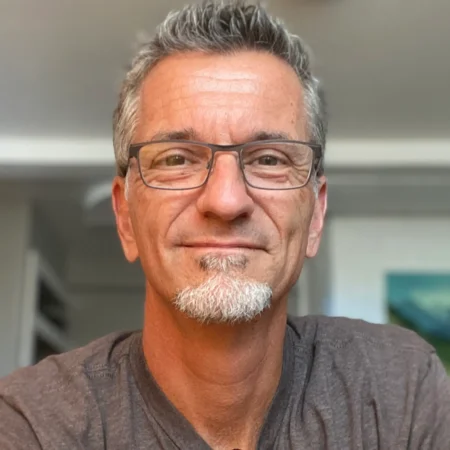
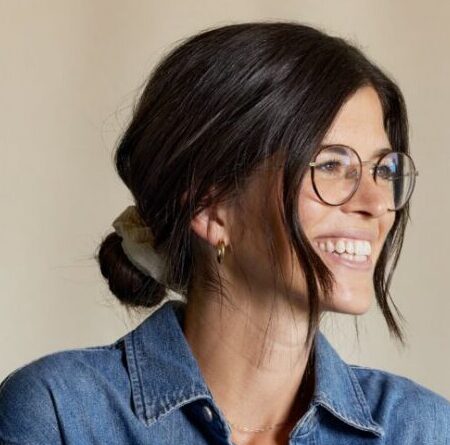
Finding Wisdom in the Wound: How God redeems our deepest pain with Tony Miltenberger
How have your wounds been quietly shaping your life?
In this honest and hope-filled episode of The Collide Podcast, Willow sits down with pastor, Army veteran, executive coach, and author Tony Miltenberger to explore how unresolved pain often drives our reactions, relationships, and leadership more than we realize.
Tony vulnerably shares his story of growing up feeling unseen, navigating childhood trauma, wrestling with anger, and nearly losing his marriage because of wounds he hadn’t fully addressed. Through counseling, faith, and years of intentional healing work, he discovered that our greatest wounds often point to our greatest gifts.
Together, Willow and Tony discuss why so many of us spend our lives managing symptoms instead of healing the root issue, how emotional triggers reveal deeper pain, and why Jesus wants to meet us in the places we’d rather avoid.
If you’ve ever struggled with feeling unseen, unworthy, overlooked, rejected, or stuck in unhealthy patterns, this conversation will encourage you to stop running from your pain and begin discovering the wisdom hidden within it.
In This Episode, You’ll Learn:
- Why emotional reactions often point to deeper unresolved pain
- The difference between treating symptoms and healing the wound beneath them
- How unhealed wounds can impact marriage and family relationships
- Practical ways to identify emotional triggers and begin healing
- Why your deepest wounds may reveal your greatest God-given gifts
- The importance of counseling, community, and spiritual disciplines in healing
- How to stop letting your past define your identity

Connect with Tony Miltenberger
Website | twmilt.com
Instagram | @twmilt
Book | Wisdom in the Wound: Leverage Your Struggles to Lead with Authenticity and Strength
Show Notes
Willow Weston (00:00.804)
Tony, it’s so good to have you on the podcast. I’m almost afraid to press record here this morning because we were just laughing so hard that this is like a little bit off the hook. You’re already offline, but let’s hope we can pull it together. For you guys listening, I just told Tony on the inside scoop here that someone turned the heat up to like 80 plus in this room and I’m sitting in a sauna. So we’re sweating and having a good time.
Tony Miltenberger (00:27.502)
Willow is doing a sauna session while we have record the podcasts. So it’s great. It’s a little infrared. It’s this is there’s new studies about how it’s helping people’s health. This is great. Lean in.
Willow Weston (00:39.022)
It’s… So lean in, lean in. Tony, it’s so good to have you. I got to be on your podcast. And so now you’re on mine. And I love that we connected in that way and that we felt like a podcast walk just made sense. So thanks for hanging out with us.
Tony Miltenberger (00:57.166)
Hey, thanks for having me and thanks for putting such great workout into the world that connected the two of us together. so, I love my favorite thing about podcasting is meeting cool people. So, and free bucks. And I got both of those with you.
Willow Weston (01:09.013)
Hmm. Oh my gosh. Well, it was so funny because I was a guest on your podcast, which is right, the Follow to Lead podcast. Am I saying that right? Because I think it is. Yeah, yeah. And so I didn’t realize when you were interviewing me that you wrote a book.
Tony Miltenberger (01:19.234)
Yep, that’s right. Yeah, nailed it. Yeah.
Willow Weston (01:30.034)
called Wisdom in the Wound. And I didn’t really realize that until partway through our conversation. And then I realized you and I have way more in common than I realized, right? Because I just came out with the book Collide Running into Healing One Life Hands You Hurt. I just want to start from this place of you have this passion to help people stop leading from unresolved pain and begin leading with clarity, authenticity, and intentional purpose.
Tony Miltenberger (01:38.062)
Hmm.
Willow Weston (01:57.585)
Why is that a personal passion of yours?
Tony Miltenberger (02:01.228)
because for so many years of my life, I didn’t do that. Like many people, right? Like I felt like most of my life growing up was chaos. My parents got divorced at a really young age when I was eight years old. At four years old, my parents had unplanned twins. So praise the Lord. Right, like it was the thing and it was really hard on them. And so in my head, in my mind’s eye,
Willow Weston (02:05.498)
you
Tony Miltenberger (02:30.986)
from the time I was four until I really began to dive deep into the work, I felt like I was kind of on my own, like I didn’t matter, like I wasn’t seen. And so then what’s happened is God has redeemed kind of that wounding in my life to use some of the language that I use in the book is this to to then as my greatest gift. So like oftentimes what’s your wounding becomes the area of your life that you’re really good at. And so
I felt like I wasn’t seen and the Lord seems to have gifted me with the ability to see people. And that’s really where it was kind of born out of.
Willow Weston (03:06.354)
Hmm.
Willow Weston (03:09.934)
So let’s talk about this a little bit because your parents had unexpected twins and then it sounds like they they had a divorce. How old were you when they got divorced? Eight. So like four years after the twins were born and you felt not seen.
Tony Miltenberger (03:22.059)
Eight? I was eight.
Willow Weston (03:29.53)
When we’re kids and we go through hard things, we don’t necessarily have the language to say, I don’t feel seen. What was the moment in your life where you realized, I’ve lived many years of my life or my childhood not feeling seen? Like, well, what age did you realize that was a wound?
Tony Miltenberger (03:48.942)
I was a senior in high school and I was in the youth group. And back in the day, we used to have like these hacky sacks that you could like throw all over the place or whatever. And so I was in the youth group and I was this young man. I was full of vigor and testosterone and I was always on edge. I love Jesus. I never not love Jesus, but there was a young woman, Katie Loeffis Weiler. If she’s listening, I would like to apologize. Yeah, because
Willow Weston (04:15.57)
Whoa, also her name, like what a name.
Tony Miltenberger (04:18.67)
Yeah, it was legit. It was a name. So Katie thought she would be funny and she was bouncing a ball off of something else, a hacky sack. And then she threw it and it hit me in the forehead and it hit me in the forehead in such a way. And I was having all these unresolved feelings about things. And. I turned around and I slapped her like I backhanded her like I like.
Willow Weston (04:48.007)
wow. Wow.
Tony Miltenberger (04:52.246)
aggressively. And then I started to cry and I was just weeping and it was really hard. Like it was just it was just one of those moments. It was a, you know, a convert conversion kind of moment in my faith walk, because that’s what led me to my first round of like.
understanding that this anger is really an outward expression of something much deeper.
And it was that dialogue with, you know, our pastor who really started the process of opening my eyes to like, you know, there’s a lot there’s a lot of movement underneath the water of this iceberg that, you know, calls my emotions. Right. And that was that was kind of the impetus of the the first part of that discovery. And I was getting ready to join the Army Reserves. And one of the things that I realized is I didn’t want to go into the Army Reserves.
so angry that I was going to fight it.
Willow Weston (05:57.647)
And so what did you do?
Tony Miltenberger (05:59.904)
I began meeting with anyone who would listen to me to start to recognize that this is deeper than what I thought it was, that it’s about unresolved pain. It’s about understanding that process. And Willow, it would probably take me 20 more years to really sort through that. Right, because one of the things that happens is there’s…
Willow Weston (06:22.171)
Mm-hmm.
Tony Miltenberger (06:25.966)
I’m going to get theological for just a second. There’s something called the epistemic consequence of sin. And so we all understand that the world is inherently broken. No one will argue with that. But we often don’t talk about the consequences of that brokenness. And so one of the things that I learned when I was in seminary is that the world is inherently broken because sin has entered the world. And there’s always a consequence for sin.
And the definition that I like to use the most is anything that separates us from God. So in that separation is where the consequence lives. And so one of the things that I’ve kind of learned over the years in the last 10 years specifically is that we all suffer from what I call little t-trauma or the epistemic consequence of sin. So somewhere between the ages of four and 13, there’s little t-trauma that enters our life, right? Sometimes we call it middle child syndrome.
Willow Weston (07:15.846)
Mm-hmm.
Tony Miltenberger (07:23.618)
Sometimes we make jokes about it. You’ve probably scrolled through an Instagram reel that has a joke about the eldest daughter and the eldest granddaughter and all the things that come with that kind of personality type, right? And what I’ve begun to kind of piece together through a lot of studying and research and understanding this idea is that we all have this version of little T trauma. And that by itself is just something that you need to be aware of that you’ve got a wound and that wound is inherent to who you are. And then
In my case, there’s the big T trauma of my parents divorce. And what happens a lot of times with big T trauma is it becomes a magnifier of the little T wound. And so I didn’t think I was seen at the age of four because I went from being the middle or went from being the youngest in the middle. My parents were overwhelmed from four to eight. And then at eight, my parents get divorced. And what does that do in my little kid head? It just reinforces the thing I already believe to be true about myself.
Willow Weston (08:05.778)
Hmm.
Willow Weston (08:22.756)
Mm-hmm.
Tony Miltenberger (08:22.838)
And so now I believe it a little bit more. And then my dad gets remarried and I believe it a little bit more. And now all of a sudden we’re stacking kind of this belief like, man, I really don’t matter. And so I get some help as a senior in high school from our local pastor, and I begin to deal with some of that emotion and I’m dealing with symptoms and not the wound. And so wasn’t until I was working in a local church that the wound really exploded.
and I began to go see a therapist to really unpack the layers of that wounding.
Willow Weston (08:59.152)
There’s so much stuff to break down here and I want to take the time to do it because I think it’s really important. And one thing you just said reminded me of something my therapist said when I first started therapy in my 20s. I was going to a Christian therapist and I wasn’t a Christian, which was really interesting experience. she said, we’re all investigators looking for evidence of what we already believe about ourselves.
Tony Miltenberger (09:23.661)
Hmm.
Willow Weston (09:29.01)
So what she was suggesting is much like what you’re talking about when you have these wounds present and you have these beliefs, those wounds have in some sense lied to us and told us who we are or who God is or who others are. So we’re looking for evidence. When we walk into a job interview or we walk into a party or we walk into a committee or church or a small group, we’re looking to hear, like for me it was, you’re not worthy.
be chosen, right? And so, because my mom seemed to choose her addiction over me and my dad didn’t show up most of the time and so I just felt like, I’m just not enough to be chosen. And so I can walk into, I can join a small group at my church and walk in the first night and assume I’m like looking for evidence from these people to tell me that that’s true about myself. And if you’re always looking for your negative self-belief to be backed up, you’ll always
Tony Miltenberger (09:59.566)
Hmm.
Willow Weston (10:27.602)
be able to find evidence for that just because you’re looking for it, right? So you said something else that was really interesting. You talked about this and now you created trauma for someone else. I know you’re confessing that and you feel bad about that, but your anger came out sideways on this girl and you realized it was an expression of something much deeper. Talk to our listener about
why we need to pay attention to these things that come out sideways in our life and why it means there’s something deeper going on.
Tony Miltenberger (11:10.072)
Yeah, I actually have a tool for this that I’d love to share. It’s called the emotional intensity scale. And so everyone has this idea of emotional intensity. We all have feelings. No one’s figured out how to avoid them yet. And so on the emotional intensity scale, if you think about one to 10, anytime your emotional intensity gets to a six or higher, it’s always more about you than it is the other person.
Willow Weston (11:16.466)
Mmm.
Tony Miltenberger (11:37.038)
So this is, it’s a really interesting thought. Like, um, if, if you’re driving down the highway and I live in Ohio and so 75 is terrible and we all ate it. And so I 75 and then somebody cuts me off. And then I decide to use every word that I learned in the army and, and tell this. No, no ma’am. I do not, I do not. Um, if, if, if you decide to like lose it.
Willow Weston (11:54.642)
You
wait, did you want to tell us what those words are, Tony?
Tony Miltenberger (12:07.981)
what we’re doing is reinforcing that thing that we thought was true, right? That negative belief. And so that’s called an emotional intensity spike. So that spike is an indicator. It’s your body’s way of saying, danger, danger, danger. And it’s bumping up against old ideas. Because, you know, my wound, I didn’t feel like I was seen, and this guy cuts me off. What is that? I’m not gonna let him not see me. Da da da da da da da da. Right? And I just kind of go off. Now, here’s what’s crazy, Willow, is it?
It doesn’t just work in the negative way. It also works in the positive way. I have two kids, two boys who play. I have three kids, two boys that play football, two boys and a princess. Both of them are linebackers. And so if they intercept the ball and get a pick six, takes it to the house, touchdown, melt burger. And I go full blown Midwestern dad on the sideline. I start chest bumping strangers and I’m throwing popcorn in the air and I get super excited. Guess what?
my emotional intensity spiked again on a scale from one to 10. Now I’m above a six again. Why? Because in that moment it’s more about me than it is about them. Look what I did. That’s my kid. that’s my genes, right? And guess what my wound is. I want to be seen. So when my kids excel, I feel seen. And so your emotional intensity scale is a great way
Willow Weston (13:28.976)
Mm-hmm.
Hmm.
Tony Miltenberger (13:36.216)
to discern some of your wounding. So like if you have a problem when somebody bullies you and you spike above a six, when you have a problem on Facebook, Facebook is a great place to see people’s emotional intensity spike all over the place because people get in the comments and they just start trolling. Right? And so the reality is wherever you spike in intensity, good or bad,
Willow Weston (13:39.922)
Hmm
Willow Weston (13:50.802)
Do we have to do we have to watch this?
Tony Miltenberger (14:05.898)
I believe that God is saying, pay attention to that because in that you’ll find not only your greatest wound, but also your greatest gift.
Willow Weston (14:17.778)
You mentioned that oftentimes we deal with the symptoms and not the wound and I think this is a very powerful idea to consider because even right now in my life someone I care about is um
It’s like they’ve become their own worst enemy. They’ve gotten in the way of themselves. And maybe for the first time in their life, they might start paying attention to kind of like, I’ve recognized I do X. so I’m going, say for you, was anger. Like, I’m going to work on deep breathing for my anger. Like these tools that help us with our expressions, which are great. But if we never go to the root of the problem to find out why we’re angry,
then all we’re doing is like deep breathing through life trying to calm down our anger. But we don’t go to the root of the problem. Like you mentioned earlier an iceberg. Did you read, oh man, is it Emotionally Healthy Spirituality by Peter Scazzero? Okay. Okay, so the iceberg illustration. and this book’s old, but, and so I read it a long time ago, but I remember being like, yes, like, because we see some ice on the top.
Tony Miltenberger (15:22.498)
that has that, yep, absolutely, absolutely, big, yeah.
Willow Weston (15:36.523)
of the water and then you see that illustration there’s just like this major way bigger like chunk of ice underneath the surface and so many people are just trying to deal with what they see but what about what they don’t see and so how did you go from like I’m angry to like what was the cause of my anger what what will help people unpack and get to the the
the below the surface.
Tony Miltenberger (16:06.702)
I would say this, the first thing that you have to do is be willing to give yourself space to feel the feelings. And so one of the things that we do oftentimes as just type A personalities or humans who live in a very busy world is we immediately want an action instead of just time. And yet the Lord is very clear about Sabbath and how important it is. And I think we can apply that same framework to how we deal with our emotional trauma.
And so one of the things that I began to learn working with a counselor and understanding this more and more is that what you really need to do is you need space to ask yourself the question, when is the first time in my life I felt this way? Like, and start pulling the string that is the deeper feeling that goes through all of these moments in your life.
and saying, wow, I was angry there and I was angry there and I was angry there. Why does God keep sending me people that make me angry? Or you could say, or you could say, why am I so angry, Lord? And so one of the things that I believe is that the wisest leaders in the world, they don’t have an absence of wounding, but they have an intimacy with their wounds.
Willow Weston (17:23.41)
That’s good. You can preach that all day.
Tony Miltenberger (17:26.38)
And so if, if you can get to a place where you can sit next to your wound and understand that it’s part of who you are and it doesn’t make you good or bad, it just makes you you. Like if we can remove guilt and shame and just say, Lord, meet me here. I was the lead pastor of a church for like seven years and there was one guy in the church who constantly questioned my integrity.
Like he just was like, I want to see the budget. I want to pull all the and you know, I was fine, right? Like I knew that I was fine. I wasn’t making any bad choices. I felt 100 % confident that I was doing everything right. And he would come into my office and he would accuse me all these things and I could feel the anger just like boiling up inside of me. And I was like,
talking to a couple of pastor friends, I was like, I don’t know what to do about this guy. Like I’m going to trespass from the church. Like he’s got to go and I just can’t and you know, and I’m like full blown freaking out. And what I, what I eventually began to realize is that my emotional intensity was spiking. And the only thing that I could do to make it better was give myself 30 minutes of time. Every time I met with them afterwards to just sit in my feelings.
Like just, I just needed to put myself in time out. 30 minutes. So then this is the rhythm is that he would schedule a meeting with me and then I would take the next 30 minutes to cry in my office or to journal in my office or to just because feelings are really just designed to be felt. And I tell leaders this all the time is that feelings are decision points. They’re not decision makers.
And so often we let our feelings make these decisions. Right. And so like my kids come home from school and they didn’t do something they were supposed to do. And I get so mad that now I’m spiked above a six and all of a sudden, like I’m saying you’re grounded for a month. And then I feel bad about that. And then that was too much. And that wasn’t enough because I let the feeling make the decision. I didn’t actually feel the feeling and then have a logical conversation with my wife, who’s my partner. And we look at the entirety of the situation and then we kind of like
Willow Weston (19:23.026)
Mm-hmm.
Willow Weston (19:40.092)
Mm-hmm. Hmm.
Tony Miltenberger (19:49.014)
I don’t make decisions when I’m spiked above a six because I can’t be trusted.
Willow Weston (19:54.899)
I love that the feelings are decision points, not decision makers. That’s so good. You’ve done a lot. You’ve been a pastor, you’ve been in the army, you do executive coaching, you’re podcaster, you’re an author of a book.
What was a moment for you in leadership where you realized you were leading out of a place of pain? What did God like change in you and how did you see the difference when you stopped leading out of that pain?
Tony Miltenberger (20:31.207)
my first church job was at a mega church and it was a beautiful church, great church. And the thing about a mega church is that it’s a lot like the army. There’s, there’s, there’s kind of an always I’ll place the mission first, you know, that the, warrior ethos in the army is I’ll always place the mission first. I’ll never accept defeat. I’ll never quit. I’ll never leave a fallen comrade. You could put that on the back of a men’s breakfast shirt and at a church event and they would buy it. Right. Like it’s.
It’s this kind of culture like we can work all the time. There’s never enough. so early on in my ministry career, I was at this mega church and I had three kids under the age of 10. My wife was. Was dealing with a lot. I was working at the church probably five nights a week and there was more work to be done and. I felt like my wife didn’t care about my work.
And so I began to let space come between us. And then eventually I made the worst sin of my life. There was a female on staff at the church who was single, and she walked into my office and began to tell me how smart I was and how much she respected what I was doing in disciple making and all of these things. And…
Willow Weston (21:50.29)
Hmm.
Tony Miltenberger (21:53.132)
Well, I’ll tell you that I just, I became infatuated. Infatuated with the feeling that I felt like she saw me.
Willow Weston (22:01.296)
Mm-hmm.
Tony Miltenberger (22:02.316)
And the truth is, is she didn’t see all of me. She never went home with me. She never like went anywhere off campus. She saw this one part of this one thing that I do. And, and I let this kind of false belief began to infiltrate my head. And, and we were kind of like, we just became infatuated with each other. And it, it, it went to a full blown emotional affair where I was telling this woman, I loved her and we were
Willow Weston (22:26.962)
you
Tony Miltenberger (22:30.904)
We knew it was wrong. Like we knew it was one of those things like, this is not a good idea. Like this is a terrible idea. We’ve got to stop. But it was already it was like two drunks in a bar telling each other to stop drinking. And then one day, one day I walked into another pastor’s office. His name is James Keith Posey, incredible guy. And James Keith, I said, I said, dude, I’m in a bad way.
Willow Weston (22:35.558)
Mm-hmm.
Willow Weston (22:42.438)
Mm-hmm.
Tony Miltenberger (22:58.882)
Like I’ve let this thing get out of control. Now we. We never laid hands on each other, me and this girl like, but I’m like I’m I’m in it real bad. Like I don’t know how to get out of it and he said Tony, I’m going to help you. And I was like James Keith, you’re going to. You’re going to tell her to stop talking to me and he goes, no, I’m going to do even better than that. If you don’t tell Karen tonight. I’m going to tell her.
Willow Weston (23:09.158)
Hmm. Mm-hmm.
Hmm.
Tony Miltenberger (23:25.206)
And in that moment, James Keith reset my life and he saved me from myself where I was leading out of a wound, leading from a wounding place of like not articulating my feelings to my spouse, not being honest about good boundaries. Like I was literally letting my work in the church become the idol that I served. And I was completely content with letting this woman
Willow Weston (23:35.344)
Mm-hmm.
Willow Weston (23:40.338)
you
Tony Miltenberger (23:54.712)
fill the void that was meant for God and my wife.
Willow Weston (23:58.061)
Mm-hmm. And it’s so true that wounds wound. Like you had this unresolved wound and you were trying to heal it by being seen by this woman, but that wasn’t going to heal it. You being seen by her wasn’t going to actually heal this wound you have that you were hurt as a child. And now you wounded your wife. How did God…
show up for you guys in that, like, are you guys still together? How did, you know, because I don’t want to just move on from that and not know what happened.
Tony Miltenberger (24:34.19)
Well, I’ll say that we’re so good these days. Like, we’re so good. God was so kind in the sense that two things happened. One, the church didn’t fire me. And that’s really important because if you don’t have space to heal, you won’t heal.
And I needed the job. Like we weren’t rich. Like we weren’t independently wealthy. If I wasn’t working and it wasn’t tons of money back then, it was like, but it was, we needed it to pay the bills. And so they gave me space to heal. And so then Karen and I, my wife’s name, Karen, we went to a counselor and this counselor gave me a piece of advice that I have since given to every couple that I’ve done marriage coaching with, marriage counseling with every person that will ever listen. She said, I want you guys to start.
Willow Weston (25:00.114)
Mm-hmm.
Tony Miltenberger (25:25.966)
praying over each other every night out loud. And so every night, still to this day, decades later, every night, I say, Lord, please be with my beautiful wife. Protect her head and her heart. Let me see her with your eyes. And then we just kind of go through the litany of prayers. And then she prays over me out loud. And here’s the thing that I’ve begun to realize is that it’s really hard
to stay disconnected from someone when you’ve got built-in intimacy. So you’ve got this built-in intimate moment where you get to renew your covenant with God every night. And so then all of a sudden, we began to pray and talk and pray and talk. And I began to realize is like, most people don’t fall in and out of love, they fall in and out of commitment. But it’s not commitment to monogamy, it’s commitment to the disciplines of being married.
Willow Weston (26:00.754)
Mmm.
Willow Weston (26:24.249)
Mm-hmm.
Tony Miltenberger (26:24.492)
And so we oftentimes don’t think about the disciplines, date nights, going to bed at the same time, praying over each other, intentional communication, worshiping together, holding hands, taking walks. These are disciplines that actually keep us in the marriage. Nobody wakes up and says, man, today is the day that I want to ruin my life. But we sacrifice the disciplines. And so somewhere along the way, God gave me this belief, this kind of core truth.
Willow Weston (26:45.872)
Mm-hmm.
Tony Miltenberger (26:52.886)
And it’s if you aren’t dedicated to your disciplines, you’ll be destroyed by your distractions.
Willow Weston (26:59.782)
Hmm.
Tony Miltenberger (27:00.302)
If you aren’t dedicated to your disciplines, you’ll be destroyed by your distractions. And listen, the distractions can even be good. The distractions can be your kids. The distractions can be your work. It could be serving on the PTO. It could be making so much money that your family can do whatever it wants. All of those things are true and they can still ruin your life.
And so your disciplines become these guardrails that prevent you from falling deeper into sin.
Willow Weston (27:29.244)
So…
It’s amazing that the Lord has shown up and brought redemption to you and Karen and now you are able to advise others and give other people wisdom. You had this wound though that you so desire to be seen and we talk so much around here about Jesus colliding and he runs right into our lives and he wants to come into all the spaces and places in our lives that are messy and that are hurting and that are
bleeding out and you had this wound, it was bleeding out and then it wounded your family and it was that you didn’t feel seen. So how did Jesus heal that so that you no longer leave from that place anymore?
Tony Miltenberger (28:16.056)
So I would say healing, right? Like the process of sanctification, that process of becoming more like Christ doesn’t mean that my sinful self ever fully goes away, but rather I’m just not as egregious in those sins as I once was. And so I still have, I still meet with the same counselor that I’ve met with now for over 10 years. name’s Dr. Steve.
Willow Weston (28:18.93)
Mm-hmm. Mm-hmm.
Tony Miltenberger (28:44.884)
Steve and I still talk about that wound that comes up inside of me where I want to be seen. Here’s the difference is what Jesus did is he gave me the confidence not to be scared by it.
And you know what? kind of laugh at it now. Like, man, I cannot believe. I cannot believe that that thing still shows up in my life that way, right? Like it’s, you know, like the other day I was in a board meeting on a nonprofit that I work on and I. I was have a lot of experience with nonprofits. I work with leaders all the time and I was for sure 100 % confident that this was not going to end well and willow. Nobody was listening to me and I was like, hey, hey.
Willow Weston (29:01.031)
Mm-hmm.
Willow Weston (29:07.794)
Hmm.
Tony Miltenberger (29:27.778)
Hey, I got there. I got home from that meeting and I was like, this thing is stupid. I hate this whole thing. I’m out of here. Like, I don’t need to do this. And then I’m like, man, Tony, you are way above a six right now.
Like what’s this really about? Are you mad that that nonprofit’s not gonna do what you said? Well, no, that sounds horribly arrogant. What am I mad about? man, I’m mad that I didn’t I wasn’t didn’t feel valued. I wasn’t seen and I’m like Okay, let’s just calm down a little bit here and then and then just be like is it really that big of a deal? And the answer was no it’ll be fine
Willow Weston (30:04.966)
Mm-hmm.
Yeah, I think there is some freedom and empowerment in the fact that we can own like this is a wound.
that I continue to battle. Like I have wounds and I think people want me to say, I met Jesus, I accepted him into my heart, I prayed some kind of prayer and now I’m good. But the truth is, is I experienced a lot of hurt in woundedness and I continue to battle that, but Jesus can handle that and Jesus and I can be real about that. And I think there’s…
some, like I said, freedom of empowerment about being able to name it. Like Jesus knows you’re limp. You know what I mean? Like, why are we trying to act like, I remember having this conversation, I was preaching at a church that I went to and an executive pastor walked up to me afterwards and he said, you’re a really great communicator. And I said, well, what did you sense God saying to you personally today?
Tony Miltenberger (30:50.592)
Right? Right.
Willow Weston (31:13.168)
Like, because I don’t really talk about, I don’t even have a conversation about my communication. Like, let’s talk about what the Lord did in your heart, you know? And he’s this like executive pastor that came from the business world. And I was talking about wounds that day he’s like, I don’t have any wounds. I’ve never had any wounds. And I’m thinking like, are you alive? Do you like have a pulse? Have you even had like, like, are you a robot? Like, I don’t know.
Tony Miltenberger (31:40.367)
Are you without sin too? Because I’m just saying, right? it’s…
Willow Weston (31:43.103)
Right, exactly. Like, and so if you sin, you wound people and that’s, you know, so anyways, I feel like there’s like some Christian culture that’s trying to posture a strength that’s not real. And that’s what I love about you. And probably what I loved about my conversation on your podcast is that you really seem to be real and authentic. And you wrote this book, Wisdom in the Wound.
leverage your struggles to lead with authenticity and strength. So you’re you’re actually calling us not to hide our wounds or pretend we have it all together, but actually to leverage our struggles. How can we leverage our struggles? Like talk to us about what that looks like.
Tony Miltenberger (32:28.632)
Well, so it’s so great is that when God works, don’t, know, God redeems our brokenness. He redeems all things. So if you’re willing to not let the fear of your wounding become like an idol in your life that you don’t ever talk about or you let have authority when you let that stuff have authority in your life, what ends up happening is God can’t redeem it. But if I’m willing to go open handed about it and be like, hey, yeah, I have had an emotional affair.
Willow Weston (32:34.864)
Mm-hmm. Mm-hmm.
Tony Miltenberger (32:57.674)
I have struggled in these things and, and God is still doing crazy cool things in my life. Right. Like, so what, what happened is I, I wanted to be seen. So I keep putting myself behind microphones, you know, case in point, right? Like it’s not, it’s not either or it’s not a bad thing. Like the Lord is so kind in his redemption of my brokenness. And here’s the thing is that I’m really good at seeing people. And so when I sit across from someone, the Lord is
has really gifted me some grace there that I don’t deserve, but he is redeemed. And he’s done that. I’ve never met a person that doesn’t have a gift that comes from the other side of their wound. The thing is, is like when you begin to understand one half of it, it gives you a fullness of picture to your gifting. And that’s beautiful. It’s a beautiful gift that like, that the kid that grew up in chaos and experienced a life where everything was uncertain.
They’re usually really good at providing order. Right? The kid that grew up in a place where they didn’t feel like they were ever lifted up, that person’s an incredible cheerleader. And it just works like that because we serve a God who takes the cross and uses it as the ultimate symbol of grace and love. An instrument meant for death, he turned it into something so beautiful that
Willow Weston (34:08.562)
Hmm.
Tony Miltenberger (34:24.024)
that now we look at it with reverence and people wear it around their necks.
Willow Weston (34:29.948)
Tony, I know we could talk all day. We’ll have to have you on again. But this came to my mind when you just shared some of those examples. And you’ve written a book, I’ve written a book. I was just at a book signing thing in Idaho, in Coeur d’Alene, Idaho. And this girl showed up, never met her before. She was probably…
23 years old. She walks up to me, she had my book in hand, she goes, I’m on page 55. I don’t read books, but someone sent this book to me and told me I needed it. She said, both my parents died. One of them was an addict. She said one of them was abusive. They both died. Another family took me in when I was a senior in high school and they’re the ones that sent me this book. And she said, I just don’t want…
my messy wounded family experience to identify me. Like I want, I want, and she kept like, I want, like she didn’t have words. Like talk to the person who their wounds have identified them. Like I’m the person who’s not seen. I’m the person from the messy family who’s, they were so messed up, right? She was like, I, they died. Like I’m my wounds.
tell me I’m not enough to be chosen and I take that into whatever room. Like talk to the people who are still letting their wounds identify them. What do you want to say to them?
Tony Miltenberger (36:05.998)
I think the first thing I want to say is I’m really sorry that it’s so heavy and I get that and also Your opinions about yourself probably can’t be trusted and so Your feelings what you’re talking about here. They’re just feelings. It’s probably not true at all and So what I would have you do
as I would tell you to pick your five closest friends. And I would ask you to sit in front of them and ask, be brave enough to ask them the question, what do you see when you see me?
Tony Miltenberger (36:48.578)
because the wounding of your past has shaped the mirror at which you look at yourself in, and it’s just not accurate. And then after you talk to those five friends, go to scripture and see what God says about you. Because God has something he wants to say to you, and it’s not going to be about your past. It’s not going to be about what was. It’s not going to be about the pain or the grief. It’s going to be about
Willow Weston (36:54.514)
Hmm.
Mm-hmm.
Willow Weston (37:05.138)
you
Tony Miltenberger (37:16.066)
that you are a new creation in him, that you’re, you’re made perfect in his power, right? And there’s so many things where we get, we get stuck. You know, Carlos Whitaker was on the podcast, not too long ago when one of his sayings that I love is like, we get stuck paying the praying about the pain instead of the promise, pray the promise and just remember like the pain is a part of your story, but it’s not your entire story.
Willow Weston (37:45.52)
Mm-hmm.
Tony Miltenberger (37:45.75)
And when Jesus becomes Lord of your life, wow. Game changer story changer off the top rope, going to crush old truce. Like it gets me fired up, right? Like there’s so much there and, that’s, those are my favorite kind of people to deal with. Right. So it’s one of my, one of my beliefs is like information plus application is what leads to transformation. So information plus application leads to transformation.
Willow Weston (37:52.06)
Mm-hmm.
Willow Weston (37:56.472)
Mm-hmm.
Tony Miltenberger (38:15.436)
You have a lot of information about yourself, but I think it’s probably the wrong information. So go get some new information. Let’s apply it and let’s see what God does.
Willow Weston (38:22.546)
Mmm.
Tony, so much goodness and I know that people are gonna wanna follow along with you, hear more wisdom from you, get your book, go to your podcast, all the things, how can they find you?
Tony Miltenberger (38:38.99)
I, know, the easiest place I’m, always say that I’m embarrassingly easy to find a T W milked.com T W I L T.com. That’s also my handle on all the socials. have a sub stack as well, followed to lead all of it’s there. pretty, pretty easy. You can buy the book wherever books are sold. And, if there’s ever anything that I can do to help you, don’t hesitate to let me know. I would love to walk alongside you in your journey and see what God does.
Willow Weston (39:13.306)
You could just hop on a podcast and say some cool stuff and sound like a Christian leader and amen this and peace out.
Willow Weston (39:28.294)
But you’re showing up in these spaces, you showed up today, I’m being thoughtful about it, because I think it has a lot of meaning. And you’re being so real and leading from what is real and what is true and leading in struggle, leading and telling us what’s true about what’s happened in your marriage. And one of your greatest…
greatest moments of sin and weakness and I appreciate that so much because it’s what’s real and it’s what’s real for all of us and if we could all begin to be a little more real about what is true about our lives I think we would experience our real and true God more.
And so I just appreciate you leading first in that and inviting us to follow. So thank you so much for being that kind of human.
Tony Miltenberger (40:25.57)
Hey, it’s my privilege and you led by example first. You’re the same type of person. I love it. That’s why we’re, that’s why we’re fast friends.
Willow Weston (40:27.602)
Thank
Willow Weston (40:31.186)
Well Tony, thank you for hanging out with us.