How to Forgive Someone Who Won’t Change with Pamela Havey Lau
Are you struggling to forgive someone who hurt you deeply?
How do you honor your pain without letting resentment take root? And how do you move toward peace when a relationship remains complicated? You don’t have to pretend the pain wasn’t real, and forgiveness doesn’t mean abandoning healthy boundaries. On this episode of the Collide Podcast, Pamela Havey Lau joins Willow Weston to explore what it means to forgive without waiting for someone else to change. Discover how prayer, honest reflection, and small steps toward peace can help you begin moving forward with Jesus.
Meet Pamela Havey Lau
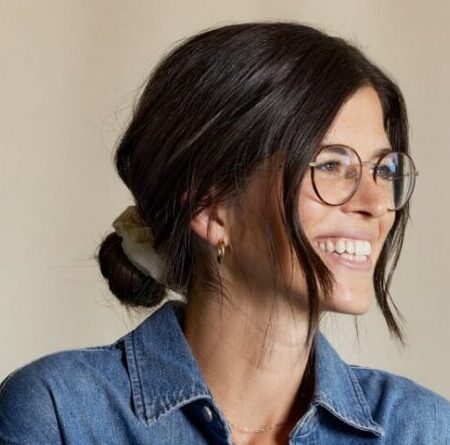
Pamela is an author, professor, speaker, and mediator who helps individuals, leadership teams, organizations, and ministries navigate conflict and build healthier relationships. Through her work with Real Life Image, she helps people listen differently, address the issues beneath the surface, and move toward greater understanding.
In this deeply personal conversation, Pamela shares how her experience of being wounded by her mother shaped her lifelong journey of forgiveness. Her story offers hope for anyone wrestling with unresolved hurt, difficult relationships, or the tension between extending grace and protecting their own well-being.
In This Episode, You’ll Learn
- Why avoiding conflict can keep us stuck in anxiety, defensiveness, and unhealthy relationship patterns.
- What it means to listen differently instead of rushing to fix someone else’s problems or offer advice.
- Why forgiveness doesn’t mean pretending the pain never happened or waiting for someone else to change.
- How healthy boundaries and changed expectations can make room for forgiveness.
- Why acknowledging and grieving your pain is part of healing is not a failure to forgive.

Connect with Pamela
Website | pamelahaveylau.com
Instagram | instagram.com/pamelahaveylau
Book | A Friend in Me: How to Be a Safe Haven for Other Women
Podcast | Real Life with Pamela Lau
Show Notes
Hey, there. Welcome to the Collide Podcast.
This is Willow Weston, the founder and director of Collide.
And today I’m going to hand you over this interview that I just got to have with Pamela Havey Lau.
Pamela is a professor and an author.
She has 25 years of experience in speaking and teaching and writing, you know, authoring books.
She leads an organization where she helps organizations, businesses, and ministries with conflict.
She’s a mediator.
She’s also pursuing her doctorate in global leadership studies.
There’s so many things that are amazing about this woman and how God’s using her in the world.
And we had a very personal conversation where she shares a bit of her story of pain and how that story has really invited her into a place of learning more and more about forgiveness.
And so you’re gonna want to hear this.
It’s gonna challenge all the things in you that make you avoid conflict, make you struggle with forgiving people who still haven’t changed.
It can.
It is a phenomenal conversation.
So check it out.
Pamela, I’m so excited to hang out with you today.
I have a jillion questions I want to throw at you, so thanks for making space to have this conversation.
Pamela Havey Lau
00:01:39.070 – 00:01:45.790
Well, I am so excited to see you, and it’s going to take everything in me not to be asking you all the questions back.
Willow Weston
00:01:47.310 – 00:02:06.170
You’re sweet.
Right now, you’re doing so many things, and we’ll get to all of them throughout this interview, but right now, one of the things you’re doing is spending a lot of time coming alongside teams and helping them discover their best selves.
And you do this through your organization, Real Life Image.
How did you get into this kind of work?
Pamela Havey Lau
00:02:06.890 – 00:04:31.100
Well, Real Life.
Real Image was created from the verse in Colossians that talks about that he is the image of the invisible God.
And so I, I.
What my desire was, first of all, as a.
As a writer and as an.
As an editor and speaker, is I wanted to show up in the image of Jesus, whatever he asked me to do.
So that’s where the name came from.
But how I ended up coming alongside teams was interesting.
For many years, I would.
I led retreats and conferences and spoke at universities.
And what would happen inevitably, right, is you get to know the leadership team because they’re the ones who are who you’re working with.
And.
And before I knew it, before we would even begin the event, I was hearing what was going on on the inside.
How could you not?
You care about people, right?
And I just felt like I felt the Holy Spirit sort of leaning in on me and saying, I need you to listen just a little bit better to what’s going on here.
And so from that really came me thinking, well, Lord, what.
What do people.
What do leadership need?
They.
They’re.
They’re busy.
What.
You know, what can I possibly do?
And.
And really, he led me ultimately to be trained as a mediator.
And so I actually took the 40 hours of mediation training, which, Willow, I have to tell you, I wish I had done it 20 years ago.
I had no.
I. I’m a writer.
You know, I have a journalism degree.
I taught writing and.
And speaking to college students for years.
And this mediation training was.
It was so.
It was.
It was more biblical than I could have known that that wasn’t the point of it because it was all about how to bring people together, listen to both sides.
So what I do with teams, whether I’m teaching them on the Enneagram or whether I’m doing a workshop on conflict resolving conflict, I bring small groups together of that leadership team, and we.
We have a half a morning together, and it’s.
It’s the beginning of listening differently to each other.
So that’s how it kind of got started.
That’s how I would answer that question for sure.
But it multiplies just to sort of.
Willow Weston
00:04:31.100 – 00:04:32.100
Rewind for a second.
Pamela Havey Lau
00:04:32.100 – 00:04:32.420
Yeah.
Willow Weston
00:04:32.420 – 00:04:33.620
I’m kind of curious.
Pamela Havey Lau
00:04:34.020 – 00:04:34.420
Yeah.
Willow Weston
00:04:34.420 – 00:05:00.220
You didn’t necessarily see this path of going from, you know, speaker, author, you know, leader, into mediator if you re rewinded back to even being a kid.
I’m sort of curious if there have been moments in your life in your family of origin or other places where this mediation gift was coming out of you naturally.
Pamela Havey Lau
00:05:02.220 – 00:05:46.180
Where.
If it was coming out of me naturally.
Yeah, I.
Well, probably like you and many others, you know, my family of origin was incredibly difficult, very difficult.
And, you know, I write about that in my second book.
But I was.
I was a fighter even as a young person.
I mean, I’m an eight on the Enneagram.
Right.
I mean, I was the one who was against.
And I would say, well, you’re not telling the truth or what are you?
You know, so I often was the one in the conflict, but I was always the one who people came to.
And I bet you you can relate to that.
And so can many people listening.
Like, why am I the one everyone tells everything to?
Well, that can be a gift and that can be a burden.
Willow Weston
00:05:46.980 – 00:05:47.379
Right.
Pamela Havey Lau
00:05:47.780 – 00:06:30.310
Because then you’re like, am I being listened to?
First of all.
Right.
But second, what I started to realize all Those years ago, 20 something years ago.
Is that when it’s kind of like the author of the Body Keeps the Score?
Sure.
You’ve read Bessel Vonderve Cook’s book where he says when someone is listened to, really listen to, the physiology of their brain changes.
Right?
I mean, when they, when the complex feeling is understood, they literally, it’s like everything inside them just takes a deep breath and sits down.
And I started noticing that years and years ago because I wanted to listen.
I was compassionate, but I didn’t have the skill set for it yet.
Willow Weston
00:06:31.430 – 00:06:59.800
It’s so interesting because you used a phrase, listen differently, and I almost.
My ears peek up because I think, wow, I think we could all use a class on how to listen differently.
When you think about family dynamics, work dynamics, so often people don’t feel heard and we’re making assumptions about each other.
And there’s just so much.
When you say listen differently, what do you mean?
Pamela Havey Lau
00:07:00.920 – 00:08:37.600
Well, let me give you an example.
So in communications, if I had a group of students in my class, I would be wanting to teach them what it means to label.
Okay.
In listening.
Okay.
And I would bring up 2, you know, 18, 19 year olds into the front of the class and I would say to them, okay, I’m going to express my feelings to you about something and I want you to label what I’m saying, meaning I can use another word I could use as mirror what I’m saying.
So I would stand them in front of me and I would say, oh, I was, I, I’m so overwhelmed.
You know, I just got this phone call and my dad is in the hospital and I need to fly out there and I’m so overwhelmed and I don’t know what I should do.
And I, and, and, and, and I just describe my anxiety.
Okay?
So I say, okay, now I want you to label what I just said.
Inevitably, those two 18 year olds, I give them each a chance, they say, oh, well, go ahead and get on a plane right away.
Or, or, well, you know what you should do.
And then I would bring up another pair until finally someone will say, oh, wait a minute, you didn’t ask us to tell you what to do.
You asked us to just label how you were feeling.
And that is that when I say listen differently, when we’re attached to the people, right, Our daughters, our son, our parents are, we can’t, we don’t know how to listen differently in a neutral place, that’s what mediation trains you to do, is to be a neutral.
Willow Weston
00:08:38.320 – 00:08:38.880
Hmm.
Pamela Havey Lau
00:08:39.680 – 00:08:41.800
So that’s what I, you’re kind of.
Willow Weston
00:08:41.800 – 00:09:05.870
Describing the magic sauce of relationships and you’re bringing it into these, these places where there’s leaders and managers and pastors working with each other.
You, you say that you facilitate conversations to simplify complex issues.
Can you tell us why that’s so important in relationships?
Pamela Havey Lau
00:09:06.510 – 00:11:37.650
Well, if relationships don’t move, what happens?
They die.
Right?
I mean, we’re, we’re fluid.
It’s.
Relationships are fluid.
It’s not like because you’re my friend, we’re going to be friends forever, no matter what.
They have to move.
And so what happened?
What I see what happens at executive level leaderships in particular.
So I’ll give you an example.
I co mediate, by the way, a lot.
Willow.
I don’t want it to seem like it’s just me.
We often co mediate or I think it just is a healthier approach because you need four listening ears.
Right.
So, for example, we went into a large church leadership team and there was a huge conflict about bringing in the next head leader, if that’s what we want to okay, the head CEO or whatever.
You could put this in any organization.
Well, when you come in and you start interviewing people and finding out the dynamic of the relationship, then you realize that there’s so much hurt even in a professional setting.
You can’t get to the root of why you, you can aren’t being able to hire the next person because there’s so much hurt in those, in those relationships.
And until we’re ready to.
It’s not that you have to bear all, all the time, but until someone is ready to ready.
This is our mantra.
It’s not about others, it’s about you.
Right.
We always think it’s the other person in the, in the office’s fault or the other executive leader.
And it could be because we all come with our.
But we, but we get people.
What we do is we get the, the key leadership team to just for a moment step back and say, okay, how did I just respond to, to that person’s egocentric behavior or something, right?
How did I just respond to that?
Because the way I respond is just as important as the way someone’s treating me.
And so that’s where we start.
But the relationships are key and doesn’t mean that you have to have these deep personal relationships in a professional setting.
But there needs to be healthy ways of acknowledging that there’s forgiveness, that there’s a clean slate, that I’m going to be direct in my communication, that I sense you’ve got my back, that’s what we work on.
Yeah.
Willow Weston
00:11:38.130 – 00:11:57.220
You know, I’ve never used this phrase.
I feel like God just gave it to me in this moment because I feel like you’re a rug lifter.
Like it.
You know that.
You know the phrase we just sweep it all under the rug.
You come in, you’re like, all right, folks, lift this rug and see what’s happening here.
Pamela Havey Lau
00:11:57.220 – 00:12:05.180
And who wants that?
Nobody wants that.
But.
But if we don’t, we can’t grow.
We can’t move forward.
Willow Weston
00:12:07.020 – 00:13:17.480
You know, this is so similar, like, to my heartbeat around here at Collide.
Because really, when we get women in a room at conferences and classes and Bible studies, we really invite them to go to the harder stuff and invite Jesus into that place.
Because I think we as Christians have been invited almost into this idea of sort of fast forwarding our brokenness to wholeness.
It’s kind of like sweeping it all under the rug.
I have Jesus.
I should be good.
But we don’t deal with the issues at hand.
If we have, you know, hatred towards a parent, if we have an unhealthy mindset with our body, if we have comparison issues with women, if we’re self debasing or self harming or whatever the issues are, they don’t go away.
They’re not going anywhere.
So it’s so interesting to me that you’re walking into organizations and businesses and ministries and saying, like, hey, we can’t just have like some sort of rah rah cheerleading.
We’re gonna go places together unless we deal with, like, the stuff we swept under the rug.
Pamela Havey Lau
00:13:17.840 – 00:14:45.050
Well, think about it.
What does scripture say?
That he searches our hearts.
Right?
I mean, he.
God is already.
He knows the thoughts of men and women.
He knows what’s going on on the inside.
We can’t fool him.
And here’s what else I would say is there’s something greater at stake here, which is the younger people watching us.
I mean, this is.
This is significant.
We leak when we’re leaking that way.
And we’re claiming, you know, the name of Christ.
Of course we shouldn’t expect to be perfect, but we should definitely be expected to be working on something and admitting it and being transparent.
You can’t fool people.
But frankly, I want to go back.
That was really what was motivated me to think more deeply about this, was I heard from the college women I was with teaching that they would.
They would say we look at women ahead of us, and there’s not too many we want to resent, you know, look like.
And I’m like what.
That’s.
That should.
That should get our attention.
You know, I. I think it’s not that we want to be compared with or two, but I would hope that the love of Christ is so profound in my life that someone says, I want that.
What is that?
So that I think is important.
I don’t know.
How do we live these authentic lives of being, having clean slates as we lead?
Willow Weston
00:14:46.650 – 00:15:01.770
So you’re being used to go in and invite people not to avoid conflict.
I want to talk about that for a minute.
A lot of people avoid conflict.
What do you think avoiding conflict in your own personal life ultimately does?
Pamela Havey Lau
00:15:02.820 – 00:15:03.940
In my own personal life.
Willow Weston
00:15:04.100 – 00:15:14.260
Okay, well, all of our own personal lives.
What do you see that doing?
How does that play out if we just continue to avoid the conflict that we’re experiencing with each other?
Pamela Havey Lau
00:15:16.660 – 00:18:53.880
There’s a book that came out called Unwinding Anxiety.
I don’t know if you’ve heard of it.
It’s written by a.
He’s a neuro.
Neurologist.
And it’s as if this neurologist wrote out Philippians chapter three and four.
Okay.
It’s just.
But he uses scientific research to do it.
And he explains the difference between stress and anxiety.
Those are two different things.
We all have stress in our lives, and we need stress in our lives to help us get up out of bed and get things done and show up and care about the world.
Anxiety has increased 20 fold.
Right.
Whether it’s in the last five years, 10 years, or the last two years.
And that anxiety is not something we really want anyone to know about.
I don’t want anyone to know about.
It’s something I have to deal with.
I will tell you.
I have since I was a young person.
But it’s not something anyone can really see because it’s.
It’s in here or it’s in.
It’s in my mind.
But what happens when I don’t deal with it?
The way that, that this author writes about, he talks about Rain R A I N I’ll come back to that in just a second.
To recognize it, to accept it, to investigate and to note when I don’t do that I create conflict in my life and other people’s lives.
That the thing that we think is the thing isn’t the thing.
Right?
I mean, I’m sure you’ve heard this before, like all of a sudden, like, what just happened with my friend?
Like, what just happened?
Like, why did we just have this example?
Well, we think, well, she was.
She was rude and she she didn’t do what I wanted her to do, or she, or she rejected me, or she didn’t answer my call.
And yet what the thing that we think it is, it isn’t the thing.
And so it’s, it’s.
What happened is we don’t know that that person just had significant mental breakdown that day because as we know, we don’t all always share that right away.
And so we, we, from there we made our decision that we’re not going to return, we’re not going to, we’re not going to go back there.
So we move on.
So now we’ve taken that self that’s just been either rejected or misunderstood and we move to the next person and we think it’ll be better, but it’s not.
We’ve just taken it with us.
And so unresolved conflict is like the analogy I have right now in my mind.
It’s like overeating.
You know, it’s overeating because you’re just so stuffed that you, you’re not able to digest another relationship or another person, not in the most healthy ways possible.
And it’s not that Jesus says to us, live at peace and don’t have conflict.
No, no, that’s not it at all.
I believe that when he says, you know my peace, I leave with you.
I just think his pieces of a different pace.
His piece is one that says take the time and, and drop the pretense, you know, and find some really safe people who you can, can really tell the truth to, you know, and admit it.
And I don’t know about you, but I have to have significant people in my life who I can say I can’t, I can’t function right now.
I have so much anxiety going on.
And if I can talk through that, then I can move on.
But my point is, I believe it’s our anxiety levels and our defensiveness that keeps us from resolving conflict in our, in our relationships.
Willow Weston
00:18:54.840 – 00:19:50.080
It’s almost like we need to flip the script.
I, I don’t love conflict, and it does give me a lot of anxiety thinking I might have to have a conversation where conflict could occur.
But I’ve begun to see the beauty that can come out of leaning into the conflict, the growth, the healing for both me and the other person.
That almost like, if we can talk about what happened, we can talk about the conflict, then I get an opportunity to change, to transform, to become more like Jesus, to, to realize things about myself that I didn’t know, to be challenged, to grow.
And that’s that’s beautiful.
But if you avoid that, then you miss out on that opportunity to, you know, for your character to be shaped.
So you kind of have to flip the script on conflict when you’re avoiding it all the time.
Pamela Havey Lau
00:19:50.880 – 00:20:53.040
And maybe we’re afraid, too, of the humility that Jesus calls us to.
I mean, that’s just not a natural position for our souls is humility.
Our natural tendency is defense.
Right.
Walls up or pride.
And I’m not saying that humility means you say, oh, you’re right, I was wrong, you were right.
That’s not what I mean.
Humility in.
Especially in Philippians chapter two, right.
Is taken on the attitude of Christ, who did not consider his divinity something to be grasped.
I have learned in my own life that if I’m always holding on to who I think I am, who I think, how I think I need to be treated, I can’t lower myself and say, maybe there’s something here I need to see about myself.
What you just said, I think that was so good.
What is it about myself I can learn here?
That’s what I wanted.
It’s a humility that is not talked about in our world.
Willow Weston
00:20:54.160 – 00:21:24.880
So since you’re the queen of helping people sort of resolve conflict.
I know you’re not calling yourself that, but I’m not.
I crown in this moment.
What is some of your just kind of like small steps right now advice for people who in general are avoiding conflict right now in an important relationship.
What.
What is something.
Thing or some things that they can do right now to begin navigating that conflict in healthy way?
Pamela Havey Lau
00:21:29.280 – 00:23:52.510
First, I would say write it down and write about it.
Of course, we hear this a lot.
Right.
Journal.
But I really believe when you write it down, it takes the spell off of it.
Right?
It.
It.
It takes that intensity out of it.
But second, I would say that if you could talk about it with God in prayer in a conversational format, you would be surprised what the Holy Spirit would say to you in terms of maybe giving you a different.
Some insight and some scriptures for it.
That’s the, that’s the.
The inner world part.
The second practical piece, I would say is go to your calendar and choose a day that by that day you would like to sit down face to face with the person.
Because I think we need space.
It’s okay.
It’s okay to have time.
You know, I know scripture says don’t go to bed before the.
You know, with anger on your heart.
And I.
And I think there’s.
That’s obviously very true.
But there’s some that.
Some conflicts that just need some days, some space.
But I really believe in the gift of intention and initiation.
Don’t wait for the other person.
Call them, text them.
If you can, do it face to face, that’s best.
I just had a recent situation with a really dear, longtime friend where we had a serious thing happen.
And we were texting that night, and then I said, I need some space.
I need some time.
But I waited a week and then I said, I went, I need to be together in person.
And we worked it out to be in person.
And Willow, I cannot tell you what that did.
Being in person and saying this is how it made me feel.
As hard as that was to say, she was able to say, I.
That’s not what I intended.
But.
But somehow being together face to face and not texting is what gave me that, you know, that angstiness you have when there’s a.
There’s a tension between you and another person.
Even though we were texting each other and saying, let’s not, we’re okay, we’re okay.
It wasn’t until we were face to face that it went away.
So I think that’s.
Willow Weston
00:23:52.670 – 00:23:54.190
Go back to each other’s hearts.
Pamela Havey Lau
00:23:55.000 – 00:23:55.720
You remember.
Willow Weston
00:23:55.800 – 00:25:28.160
Oh, like your, your heart, like I’ve known you.
Yes, it’s yours.
Like.
Yes, yes, yes.
That’s so good.
Your mental, spiritual and emotional health is worth time, energy and investment.
As women, we can sometimes struggle to find the space and time necessary to focus on rejuvenating our minds and our spirits.
But the truth is, our health is worth it.
The Kolide Counseling Bundle is an online course featuring 12 videos of mental health professionals giving their best advice, journals, resources, and so much more to help walk you through the topics that are most relevant to your life.
Anxiety, broken relationships, body image, and more.
We are so thrilled to be making the resources for a sustainable healing journey available for the same investment as what one therapy session typically costs.
$99.
It’s time to invest in your healing and wholeness.
Learn more@wecollide.net counselingbundle.
You know, you’ve authored several books, and I, I think one of them leans into the idea of forgiveness.
Do you want to kind of invite us into either what both your books are about or that book in specific, and we can kind of lean into getting to a place in our conflict of forgiveness.
Pamela Havey Lau
00:25:28.560 – 00:28:43.810
Okay.
So, yes, it’s so funny.
Probably of all the.
The topics that, you know, event leaders call me and ask me to speak on its forgiveness and after a while, I’M like, wow, why is this my, you know, my.
My man.
But.
But it’s.
It’s the story of my life.
I am.
I was 14 years old.
My.
I was raised in a Christian home.
My mother was converted from Judaism to Christianity, which is a big deal, by the way.
And I was living life to the full when one day I came home and my mom had left our family.
So I raised.
Raised my brother and sister.
I. I’m hesitant to use that word because I was a mess, as you can imagine.
My sister was eight years younger than me.
My brother was two years younger than me.
And I left for college four years later with, like, two thoughts on my mind.
I was.
I was close to God in the sense that I prayed, but I was not.
I would not say I was, like, thriving and growing in my relationship with him.
I was pretty.
Pretty determined to.
To live life on my own and to.
I. I never wanted to be married and I never wanted to have children because I never wanted to do what my mom did.
But.
But God pursued me in my brokenness and.
And I want.
I don’t want to under.
I don’t want to under.
Emphasize how broken I was because I have such a strong personality.
I think people misunderstand me.
Right?
I mean, you think, oh, she’ll be okay, right?
Well, no, I was shattered.
But.
But in the.
I.
In my sophomore year of college, I was overseas, believe it or not, traveling with a music team.
And the hound of heaven found me at the top of John Wesley’s chapel.
And I was surrounded by.
By European Christians who really knew Jesus.
I was 19.
They didn’t.
They weren’t living the American Christianity that I knew.
They were talking about Jesus as if he was alive and right there.
And I wanted that.
And so I.
He.
He pursued me.
One night I was by myself.
I was in the top of John Wesley’s chapel, and I knelt by the bed, and he asked me for my life.
And I said, God, I want to.
But I have two requests.
I never want to marry a Christian man, and I never want to be in women’s ministry.
And so that is the turning point in my life of forgiving my mom, because my mom wanted a relationship with me and I didn’t want one with her because she hurt us so badly.
And she was pretty.
She.
I mean, there was a.
That’s a whole.
You can read about that in my second book called A Friend in Me.
How to Be a Safe Haven for Other Women.
But what God spoke to my heart over the.
Those few years Was, Pam, if you stay in relationship with your mom, I’m going to give you a hundred mothers.
And he did.
Willow Weston
00:28:45.330 – 00:28:45.770
Wow.
Pamela Havey Lau
00:28:45.770 – 00:31:38.570
I ended up being married to a man whose mom was a phenomenal influence in my life.
I.
She was.
She started five BSF Bible study fellowship classes on the Front Range in Denver, Colorado.
She was a businesswoman, she was a speaker.
She’s the one who trained me in my speaking.
She’s the one who said, this is what I see God doing in you.
And she just poured her life into me.
And, and it was, that was the beginning of me opening my heart to God’s ways.
Even though now I want to be clear, my mom just died in 2020.
And I will tell you that it was by God’s grace that on the, the day that she died, we had a close relationship.
It was years of practicing what it means to forgive when someone can’t even be who you need them to be.
She could, she couldn’t.
It was not.
She was.
It was impossible for her.
But my, my point of telling that story, it’s a, it’s not a story anyone wants as their story, right?
I mean, who wants that as your story that you were abandoned by your mom?
But my, but the forgiveness piece is this.
In one of my worst betrayal moments with my mom throughout the years, because it’s not just a one time thing, right?
Most of us understand that.
He said to me, pam, I don’t.
You can’t only know me in my glory.
You also have to know me in my worst times, in my suffering.
I was betrayed in my darkest hour.
And I, I remember turning to God and saying, but I don’t want to know that.
And he said, you have to.
That’s what it is to know me.
And it was through me accepting that suffering, not that that defined me, but I accept that by accepting it.
What I can say is by, by receiving his gift of forgiveness, which is every day for not just one person, but many people, he gives us pieces of our truest self back.
That’s what the gift of forgiveness does.
And that is what I would say my whole life has been built upon.
Right.
I’m 54 years old now, so you figured that was.
I was 14 when that happened.
So.
So the life I lead is not a life out of self.
It’s a life from a life with God I can’t imagine.
He is my life.
He is everything to me.
He’s not just something I talk about.
And so I can’t even fathom, you know, facing what we’re Facing today without this invitation to forgive.
Right.
And so there’s a lot into that.
Yeah, yeah.
Willow Weston
00:31:38.570 – 00:32:51.170
I’m incredible story and I can resonate with it so much, even with my own relationship with my mother, who also passed away and I had to stop living with her when I was 15.
So I’m resonating with your story so much.
I, I think, I think sometimes we think forgiveness is, I’m going to forgive you when you change.
I’m going to forgive you when you stop doing this, this and this.
I’m going to forgive you when you get your act together.
It’s kind of like dependent on their behavior and you’re talking about.
And I resonate with it so much and I wonder if you can put words to this, but I spent decades with my mother vacillating back and forth between, I want to forgive you or I do forgive you, or I have grace for you today, but then you just did that thing again, or you’re hurting me again, and I don’t know how to forgive you.
And it’s just this constant, like when you’re dealing with someone who, you know doesn’t change.
It’s very.
Pamela Havey Lau
00:32:51.250 – 00:32:51.810
That’s right.
Willow Weston
00:32:52.210 – 00:33:11.930
It’s like a constant, almost like a spiritual discipline of like, continuing to re.
Center around the idea of like, grace upon grace, forgiveness upon forgiveness.
Like, I mean, there’s so many prayers I’ve uttered, like Lord Jesus’s prayer, you know, Lord, forgive her, for she knows.
Pamela Havey Lau
00:33:11.930 – 00:33:13.970
Not what she does.
Right.
Willow Weston
00:33:14.050 – 00:33:28.250
I’m like, right.
That prayer right on the cross.
And I just, I think it’s so hard because our definition of forgiveness is I’ll forgive you if you, if you change.
Pamela Havey Lau
00:33:28.410 – 00:35:31.860
Yeah, I think that’s so.
You’re, you’re, you’re hitting on probably the greatest mystery of real human relationships.
And what I, what I learned and I, again, I write about it in the chapter on forgiveness, is that forgiveness does not mean I don’t have boundaries.
Forgiveness means, okay, I accept you for who you are, but here’s, here’s who I am and here’s the life I’m leading.
And, and I’m going to have to have a box around this now.
So many people in my life, not all, but many, said this to me throughout the years that they knew me and my mom’s relationship.
Why do you stay in relationship with your mom when she keeps hurting you?
Okay, well, first of all, you’re.
That’s, that’s, that is assuming that God wants me to end that relationship.
And, and for me, obedience was staying in it.
But that meant I stayed in it with boundaries.
She was not going to be able to meet my needs.
What is the definition of resentment?
Right.
It’s expect, it’s reset.
Resent.
The definition of resentment is expectations that wait, waiting to happen.
They’re never, you know, I didn’t want to live like that anymore.
I kept.
You can’t expect that.
So that’s a boundary I had to put in for myself.
And then it means that I pursue with all my heart other healthy relationships who can meet that need or if God so chooses that he’s the One.
And that’s really where they’re not going to.
Someone might not ever change, but I think we have to have going back to our beginning of our conversation, listening differently.
Is the Holy Spirit saying, I want you to stay, but with these parameters, or is the Holy Spirit saying, it’s time for this to come to an end?
You have to have that kind of intimacy with the Lord because He knows best.
Willow Weston
00:35:32.980 – 00:35:52.020
It’s interesting that you bring up expectations and how those might have to change, but that you can still have forgiveness and change your expectations.
Because even as we’re talking about mothers, I had to get to a place in my early adult life where I no longer expected my mother to be a mother.
Pamela Havey Lau
00:35:52.580 – 00:35:52.980
Yes.
Willow Weston
00:35:52.980 – 00:36:57.630
I no longer turned to my mother for advice.
Turn to my mother for wisdom.
Turn, like.
And that required me actually grieving what I was meant to have that I didn’t have.
And you have to do that work while you’re also trying to do the work of forgiveness.
And that’s what I want to talk to you about for a minute, because I think people are having a hard time holding space for both.
So they think I either have to forgive someone and dismiss the pain they caused me, or I have to hold space for my pain because it hurts like heck.
And so if I hold space for my pain, I don’t know how to actually look at it and realize how awful it was and forgive.
So we’re really like, we either think we have to.
Do you get what I’m saying?
It’s like, if I actually pay attention to my pain and how hard it is, it makes forgiveness almost harder because I’m being real about it.
So I don’t know how to do that.
So I’m going to dismiss my pain and try to make it less.
I can forgive.
Pamela Havey Lau
00:36:58.990 – 00:39:51.400
Yeah.
No, no, no, no, no, no.
There’s no such thing as Christian anesthetizing.
No.
Jesus.
Jesus wants to heal our pain.
And yes, we have to.
And I think God provides different ways to deal with it.
Some.
I, I was in therapy when my daughter turned 14, Willow, because she walked into a room one day and I literally could not differentiate between me and my daughter for a hot moment.
And I thought, how does a mother leave a 14 year old?
And I knew that moment that I had to put myself in therapy.
And I did.
And I sat with a wonderful Christian therapist while he helped me deal with the fact that I now had three daughters of my own.
And how was, how was I to.
I couldn’t.
I couldn’t.
So I, that’s how I deal with my pain.
So let me, me back up just a second because I believe so deeply in the powerful redeeming love of God.
Okay.
I’ve witnessed it.
I’m in the.
I’m a living example of, I’ve pushed through to the healing.
I believe you can actually experience full healing.
Does that mean that there’s not more?
For me, there’s always more.
And when I get to heaven, I’m going to be whole.
But I believe, and I have experienced that when I walk with God and with certain other people.
Again, I believe in therapy.
I believe in spiritual direction, by the way.
I believe in pastoral health, friend help, all kinds.
That when you say, okay, here’s one thing I really want to work on and let’s say it’s with your, with, with a mom particularly or a parent.
When you are open and talk about one aspect of the pain and then you get some insight into that, I do think there’s a little bit of work for us to do because once it’s been revealed, okay, that’s real.
We weep it, we mourn it, and then we invite the Holy Spirit and say, put it back together for me.
And, and I.
So I don’t think forgiveness is numbing the pain, actually.
I think that’s, that’s self talk.
No, no.
Forgiveness is, is actually being realistic about the pain and then choosing to not hate someone.
That’s a choice.
Willow Weston
00:39:55.000 – 00:40:01.000
What do you see happen to people who decide that they’re going to refuse to forgive?
Pamela Havey Lau
00:40:03.820 – 00:43:39.720
Their body breaks down.
They have physical consequences all kinds of ways.
They don’t.
There’s a.
And I don’t, I don’t want to.
I’m going to be really careful here because the dark side of our nature is the dark side of our nature.
Okay.
I mean that is real, right?
Do you watch Lord of the Rings?
I don’t know if at all you’re a Lord of the Rings fan.
If any of your listeners are.
They’ll know the character Gollum and Gollum is the one who finds the ring.
And the ring has so much power and it’s an evil power and he refuses to let it go.
That throughout the, the story of the Lord of the Rings he becomes darker, gross, he becomes more self centered than ever before.
He becomes bitter, he’s ugly as he’s just the most grotesque character.
I think that’s an incredible analogy for what happens to us when we don’t forgive because forgiveness is a command.
And again, I want to be careful because there are atrocities in this life that do take, take, you know, courage.
It’s, it takes courage to forgive.
But I believe that when we don’t forgive, nobody wins.
But the person who’s holding on to it is the one who, who really suffers the most.
And particularly for women, I think sometimes we can see it in their demeanor.
When you get personally and up close with them, they can’t do anything but cry.
They’re not able to talk about the goodness of God, you know, and that’s why it’s important to forgive so that we can get back to being able to recognize the goodness of God.
He’s always good.
He always is good.
He hasn’t changed.
When you can taste him again, when you can get back to that, then I believe that, that, that it kind of, it actually that’s what brings the healing.
Right.
So the, the.
When I, I have three daughters, so you can imagine I am surrounded by a lot of, of women of all kinds of ages because I have their friends and I have their, their husbands and their, their significant others and all, all kinds of.
And we have this conversation a lot, A lot.
And if I recognize in my world when I see someone not forgiving, I will gently say to them, are you ready to let it go?
Let me know when you’re ready.
And I’m glad to pray with you, but let me know when you’re ready.
And we need to do that for each other.
Let’s do that for each other as women more.
Let’s not jump on the bandwagon and say, you’re right, what they did to you was awful and wrong.
That actually does not help.
But listening, going back, listening, acknowledging the feelings.
Yes.
But then walking close enough with somebody and saying, do you believe that the Holy Spirit is inviting you to let this go?
Takes time.
This is not Christianese.
This is reality.
Willow Weston
00:43:41.240 – 00:44:05.330
Yeah.
I mean, there’s so many questions I can ask you about forgiveness and we could talk all day and we don’t have time.
My last Question I want to talk about is because you mentioned it’s a command.
And I think sometimes I’ve seen that, and I know that’s not what you meant, but sometimes I’ve seen that almost be like, let me heap on, like, guilt and shame that now, like, not only have you been wounded.
Pamela Havey Lau
00:44:05.730 – 00:44:06.290
Yeah.
Willow Weston
00:44:06.930 – 00:44:32.390
But now you’re disobeying God because you haven’t forgiven.
And I think there’s, like, room.
And you keep using words like, are you ready to.
Like, it takes time.
Talk to us about the importance of, hey, you might not be ready to let go, but what are you doing to walk towards?
I always say walk towards people, peace.
Even if peace is 20 miles down the road.
Pamela Havey Lau
00:44:32.390 – 00:44:33.030
That’s right.
Willow Weston
00:44:33.030 – 00:44:52.230
What can you do to take the next step towards peace?
But talk to us about the importance of giving yourself room for the journey towards forgiveness rather than sort of taking this like, it’s a command.
It’s instantaneous.
You decide right now, but it’s not actually real, but you feel like you’re being a good little Christian girl.
Pamela Havey Lau
00:44:52.390 – 00:46:51.180
Yeah, right.
No, none of that.
So I believe strongly in the spiritual disciplines.
They have helped form my life for the past two decades, for sure.
And in one of the spiritual disciplines of silence and solitude, I believe that it’s in that practice that that is when we get the opportunity to talk about these things with God or let God kind of minister to us about the timing of things.
So absolutely, positively sure.
I mean, God, Jesus is clear with us that when we forgive someone, then our sins are forgiven.
And so when I am honest about my own self and my own life, I need forgiveness first for things that I’ve done.
I think, again, I go back to that.
That humility.
I always start.
I have to start there.
Because my response to Willow, my response to my mom, could be just as simple as what my mom did.
I’m not saying that I want to be careful.
Again with that, but I have to pay attention to the way I’m operating and I’m responding.
And so in silence and in solitude, that’s when my, you know, I can walk in the light again, so to speak, and let the darkness.
I mean, I.
There’s a lot of feelings that I can express to God that I cannot express to anyone else.
But it takes time.
And when you give yourself the gift of rest, that actually is a way of letting Jesus forgive in you.
Sometimes I say to Jesus, I need you to do the forgiving for me.
I can’t do it.
That’s.
He’s our Savior.
That’s the whole point.
Willow Weston
00:46:52.540 – 00:47:23.430
That’s a powerful prayer to ask him to do it for you.
I love that so much.
Pamela, there’s so many things that we didn’t even get time to talk about today.
Your.
Your books, your pursuing, you know, a.
A doctorate in Global Leadership studies.
I mean, you have so much dream and vision ahead and projects you’re working on.
I know there’s people who are going to want to connect with the work that you do.
How can they do that?
Pamela Havey Lau
00:47:23.990 – 00:48:09.900
Well, I would love to, and I think the best way is through, like, social media or email.
My email is my full name, which is Pamela Hay Lao, and you spell my middle name H A V as in Victor E Y Lau.
So that’s just one word@gmail.com.
I have a website, Pamela loud.com that is being rebuilt because it’s a new day.
Right.
And I’m on Instagram and that’s probably the best place when I start, when I start bringing back the podcast and we have a video project we’re working on, that’s where it will be for sure.
I do have a podcast called Real Life with Pamela Lau and that will be coming back in January.
Willow Weston
00:48:10.140 – 00:48:18.220
So awesome.
So many places that we can find you.
Thank you so much for sharing parts of your story and your heart to.
Pamela Havey Lau
00:48:18.220 – 00:48:18.940
Get to know you.
Willow Weston
00:48:19.820 – 00:51:42.890
Yeah, totally.
We’ll be in touch for sure.
Wow.
Friend.
Well, I hope you enjoyed that interview with Pamela.
She clearly has so much wisdom and spiritual insight to share with us on conflict and mediation and forgiveness.
I love that phrase, listen differently.
I think I’m going to carry that in my pocket for the next few weeks and really think about how I’m listening to people and how I can listen differently.
But I just loved, and maybe you could resonate too, where she shared about her mom and the pain that she experienced in that relationship and the spiritual invitation that she received from God to figure out what it looks like to forgive the person who wounded her the most.
And I have that story in so many ways myself.
And I don’t know where you’re at, but so many of us, we avoid conflict and have a very hard time with forgiveness.
Like I said, I think we sort of put expectations around forgiveness, and our forgiveness is dependent on the other person’s behavior.
And so my hope for you is that you’ll consider what does forgiveness look like for you in the relationship that the spirit brought up in your heart while you were listening to this podcast?
What does forgiveness look like for you even if that person doesn’t change?
Maybe God’s inviting you into a journey to walk towards peace and forgiveness.
And maybe you’re not even close to getting there.
But I suppose we all could take one step today.
And I’m not sure what your step is, but I trust that God will speak to you.
And maybe that’s the prayer you can pray.
Is God.
What is one step I can take today to walk toward forgiveness?
If you feel like there’s a lot of healing that needs to take place in your life, please, friend, go to our website@wecolight.net and check out our counseling course.
It is an online course on the Collide School that we put together where we gathered 12 different mental health therapists and actually asked them to spend almost an hour each with us, speaking into our lives on the areas that women desire healing in.
And there’s some amazing courses in there on forgiveness and healing broken relationship relationships.
So check that out.
I promise you won’t regret it.
It comes with a beautiful journal where you get to work through a lot of your stuff.
And sometimes that’s the work we need to say yes to.
It’s like working through our stuff to get to a place where we can finally forgive.
That’s God work.
But you know what?
We believe that God is real.
He shows up, he’s colliding, he’s running into our lives and.
And he can do a healing in us and through us.
So I hope you sense that encouragement this week.
Keep colliding and we’ll catch you next week.